Mastering Student Loan Repayment 2026: Strategies & Insights

Mastering Your Student Loan Repayment Strategy for 2026: Key Considerations and Expert Insights
As we approach 2026, the landscape of student loan repayment continues to evolve, presenting both challenges and opportunities for borrowers. Navigating this complex terrain requires a well-informed and proactive approach. Whether you’re a recent graduate or have been managing student debt for years, understanding the latest policies, repayment plans, and strategic options is crucial for optimizing your financial future. This comprehensive guide will delve into the essential considerations for student loan repayment 2026, offering expert insights and actionable strategies to help you effectively manage your debt.
The Current State of Student Loans: What to Expect in 2026
Before diving into specific strategies, it’s vital to grasp the broader context of student loans as we head into 2026. The past few years have seen significant shifts, including the end of the pandemic-era payment pause, the introduction of new income-driven repayment (IDR) plans, and ongoing discussions about potential legislative changes. These developments directly impact how you approach your student loan repayment 2026.
Policy Updates and Their Impact
The most significant recent change is the full resumption of federal student loan payments. This transition has highlighted the importance of understanding your loan servicer, payment due dates, and available relief options. Furthermore, the Biden administration has introduced and refined several programs aimed at making repayment more manageable. Staying abreast of these updates is not just about compliance; it’s about leveraging every available benefit to reduce your financial burden.
Economic Factors Influencing Repayment
Beyond policy, economic conditions play a substantial role. Inflation, interest rates, and the job market can all influence your ability to repay your loans. High interest rates, for instance, might make refinancing a less attractive option, while a robust job market could provide the financial stability needed to accelerate payments. Understanding these macroeconomic trends will help you make informed decisions regarding your student loan repayment 2026 strategy.
Understanding Your Federal Student Loan Options for 2026
Federal student loans offer a variety of repayment plans, each with unique benefits and eligibility requirements. For student loan repayment 2026, it’s imperative to re-evaluate which plan best suits your current financial situation and future goals.
Standard Repayment Plan
The default plan for most federal loans, the Standard Repayment Plan, typically has a fixed monthly payment over a 10-year period. While it ensures you pay off your loan relatively quickly and incur less interest over time, the monthly payments can be substantial. This plan is ideal for borrowers with stable, high incomes who can comfortably afford the payments.
Graduated Repayment Plan
With the Graduated Repayment Plan, payments start low and gradually increase, usually every two years. The repayment period is still 10 years. This plan can be beneficial for borrowers who expect their income to grow over time, but it means paying more interest overall compared to the Standard Plan.
Extended Repayment Plan
For borrowers with more than $30,000 in federal student loans, the Extended Repayment Plan allows for payments over a period of up to 25 years. Payments can be fixed or graduated. While this significantly lowers your monthly obligation, it also means paying substantially more interest over the life of the loan.
Income-Driven Repayment (IDR) Plans: A Cornerstone for 2026
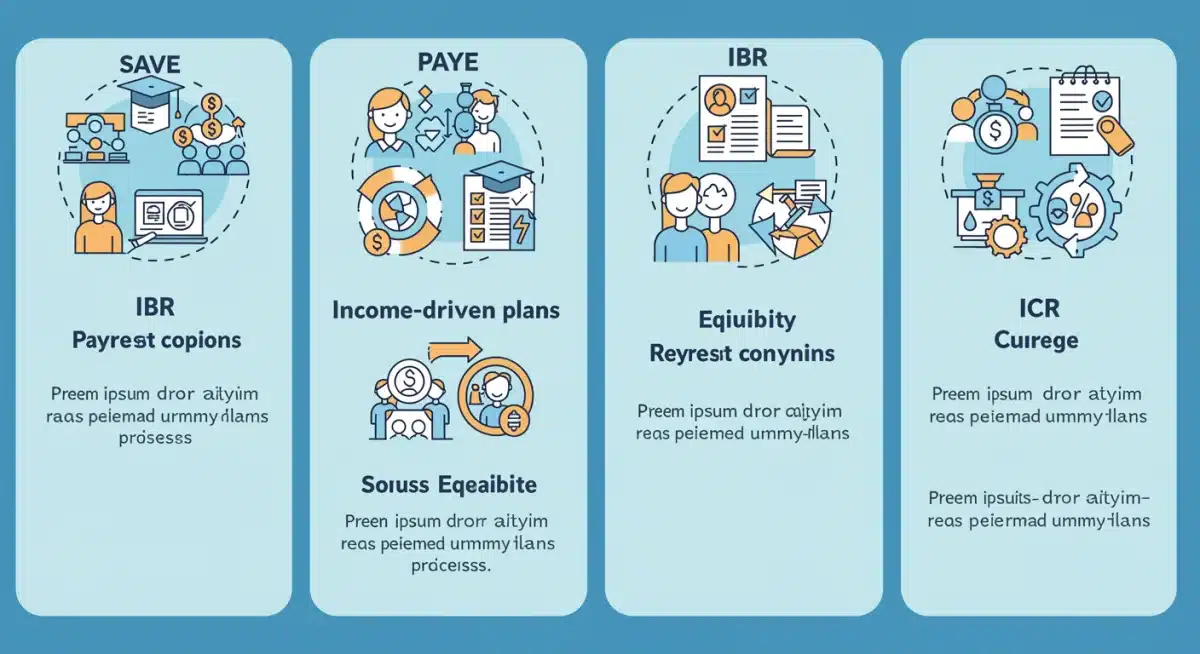
Income-Driven Repayment (IDR) plans are often a lifeline for borrowers struggling with high monthly payments relative to their income. These plans cap your monthly payment at an affordable percentage of your discretionary income and extend the repayment period, typically to 20 or 25 years. Any remaining balance is forgiven after the repayment term, though this forgiven amount may be taxable. For student loan repayment 2026, understanding the nuances of each IDR plan is critical.
The SAVE Plan (Saving on a Valuable Education)
The SAVE Plan is a significant new development, replacing the REPAYE plan and offering more generous terms. For undergraduate loans, monthly payments are capped at 5% of discretionary income (down from 10% for REPAYE). Interest accrual is also handled more favorably; if your monthly payment doesn’t cover the interest, the government covers the difference, preventing your balance from growing. This is a game-changer for many borrowers. Eligibility and exact payment calculations are based on your income, family size, and federal poverty guidelines. The SAVE plan is expected to be a primary tool for managing student loan repayment 2026.
Pay As You Earn (PAYE) Repayment Plan
The PAYE plan caps monthly payments at 10% of your discretionary income, but never more than what you would pay under the Standard Repayment Plan. The repayment period is 20 years. To qualify, you must have a “partial financial hardship,” meaning your income is low enough that your PAYE payment is less than your Standard Plan payment. This plan is a good option for those who qualify and want to limit their total payments.
Income-Based Repayment (IBR) Plan
IBR caps payments at either 10% or 15% of your discretionary income, depending on when you took out your loans. The repayment period is 20 or 25 years. Like PAYE, you must demonstrate a partial financial hardship. IBR is one of the older IDR plans and is still a viable option for many, especially those who don’t qualify for newer plans or find its terms more favorable.
Income-Contingent Repayment (ICR) Plan
The ICR plan calculates your monthly payment as the lesser of 20% of your discretionary income or what you would pay on a fixed 12-year repayment plan, adjusted according to your income. The repayment period is 25 years. ICR is the only IDR plan available for Parent PLUS loans (after consolidation). It’s generally less generous than other IDR plans but provides a safety net for those who need it.
Choosing the Right IDR Plan for Your Student Loan Repayment 2026
Selecting the best IDR plan requires careful consideration of your current income, future earning potential, family size, and loan types. It’s highly recommended to use the loan simulator tool on the Federal Student Aid website to compare estimated payments and total costs under each plan. Regularly re-evaluating your IDR plan, especially during your annual recertification, ensures you’re always on the most beneficial path for your student loan repayment 2026.
Federal Loan Consolidation: Streamlining Your Debt
Federal student loan consolidation allows you to combine multiple federal student loans into a single Direct Consolidation Loan. This can simplify your repayment by giving you one monthly payment and one loan servicer. While it doesn’t necessarily lower your interest rate (it’s a weighted average of your existing rates, rounded up), it can open doors to certain IDR plans and public service loan forgiveness (PSLF) that might not have been available for your original loans. For student loan repayment 2026, consolidation can be a strategic move, especially if you have older loans that don’t qualify for the most favorable IDR terms or if you have FFELP loans that you want to make eligible for PSLF.
Student Loan Forgiveness and Discharge Programs for 2026
Beyond standard repayment, several programs offer the possibility of loan forgiveness or discharge. These can significantly reduce or eliminate your student loan debt, but they often come with strict eligibility requirements and commitment periods.
Public Service Loan Forgiveness (PSLF)
PSLF is designed for borrowers who work full-time for a qualifying government or non-profit organization. After making 120 qualifying monthly payments (which do not have to be consecutive) under a qualifying repayment plan (typically an IDR plan), the remaining balance on your Direct Loans is forgiven. With recent changes, more payments are now being counted towards PSLF, making it more accessible. If you’re in public service, understanding PSLF is paramount for your student loan repayment 2026.
Teacher Loan Forgiveness
This program offers up to $17,500 in loan forgiveness for eligible teachers who work for five complete and consecutive academic years in a low-income school or educational service agency. The amount of forgiveness depends on the subject taught.
Total and Permanent Disability (TPD) Discharge
If you are totally and permanently disabled, you may be eligible to have your federal student loans discharged. This typically requires documentation from a physician, the Social Security Administration, or the Department of Veterans Affairs.
Borrower Defense to Repayment
This program offers relief to students who were defrauded by their schools. If your school engaged in misconduct or made misrepresentations, you might be eligible for discharge of your federal student loans.
Closed School Discharge
If your school closes while you are enrolled or soon after you withdraw, you might be eligible to have your federal student loans discharged, provided you haven’t transferred your credits to another school.
Private Student Loans: Refinancing and Management in 2026
Private student loans operate differently than federal loans. They don’t offer the same flexible repayment plans, forgiveness programs, or income-driven options. Your primary strategy for managing private loans in student loan repayment 2026 will often involve refinancing.
Understanding Private Loan Refinancing
Refinancing involves taking out a new loan, typically from a private lender, to pay off your existing student loans (federal, private, or a mix). The goal is usually to secure a lower interest rate, a lower monthly payment, or both. A lower interest rate can save you thousands of dollars over the life of the loan. However, refinancing federal loans into private loans means giving up federal protections like IDR plans and forgiveness programs. This decision should not be taken lightly.
When to Consider Refinancing Private Loans
- Lower Interest Rates: If your credit score has improved significantly since you took out your original loans, or if market interest rates have dropped, you might qualify for a much lower rate.
- Simplified Payments: Consolidating multiple private loans into one can simplify your monthly finances.
- Change in Loan Term: You might choose to extend your repayment term to lower monthly payments or shorten it to pay off debt faster and save on interest.
Factors to Consider Before Refinancing
- Credit Score: Lenders will look for a strong credit history and a good credit score.
- Income Stability: A stable income demonstrates your ability to make payments.
- Interest Rate Type: Decide between a fixed or variable interest rate. Fixed rates offer predictability, while variable rates can start lower but fluctuate.
- Loss of Federal Benefits: If you include federal loans in a refinance, you lose all federal protections.

Strategic Approaches to Student Loan Repayment in 2026
Beyond choosing a repayment plan, several strategies can help you accelerate your debt repayment, minimize interest, and achieve financial freedom faster. These strategies are particularly relevant for student loan repayment 2026 as economic conditions continue to shift.
The Avalanche Method vs. The Snowball Method
- Debt Avalanche: This method involves paying off loans with the highest interest rates first, while making minimum payments on all other loans. Once the highest-interest loan is paid off, you apply the extra payment amount to the next highest-interest loan. This strategy saves you the most money on interest over time.
- Debt Snowball: With the snowball method, you focus on paying off the smallest loan balance first, while making minimum payments on all other loans. Once the smallest loan is gone, you roll that payment amount into the next smallest loan. This method provides psychological wins, as you eliminate debts quickly, which can motivate you to keep going.
Choosing between these depends on your personal finance philosophy. The avalanche method is mathematically superior for saving money, while the snowball method is often better for sustained motivation.
Making Extra Payments
Even small extra payments can make a big difference. If you receive a bonus, tax refund, or find yourself with extra cash, consider applying it directly to your loan principal. Be sure to instruct your servicer to apply the extra payment to the principal, not to advance your due date. This reduces the amount of interest you’ll pay over the life of the loan.
Bi-Weekly Payments
Instead of making one monthly payment, split your payment in half and pay it every two weeks. This results in 26 half-payments per year, which is equivalent to 13 full monthly payments instead of 12. This simple trick can shave years off your repayment term and save you significant interest.
Automating Payments
Setting up automatic payments ensures you never miss a due date, which can save you from late fees and negative marks on your credit report. Many servicers also offer a small interest rate reduction (typically 0.25%) for enrolling in auto-pay, providing a small but consistent saving for your student loan repayment 2026.
Budgeting and Expense Reduction
A solid budget is the foundation of any successful debt repayment strategy. Tracking your income and expenses allows you to identify areas where you can cut back and free up more money for your loan payments. Even small sacrifices, like reducing dining out or canceling unused subscriptions, can add up significantly over time.
Increasing Your Income
Beyond cutting expenses, exploring ways to increase your income can dramatically accelerate your student loan repayment 2026. This could involve taking on a side hustle, negotiating a raise, or pursuing a higher-paying job. The more disposable income you have, the more you can allocate towards your loans.
Common Pitfalls to Avoid in Student Loan Repayment 2026
While there are many effective strategies, there are also common mistakes that can derail your progress. Being aware of these pitfalls can help you steer clear of them.
Ignoring Your Loans
The worst thing you can do is ignore your student loans. Defaulting on federal loans can lead to wage garnishment, tax refund offset, and damaged credit. For private loans, it can result in legal action. Always communicate with your loan servicer if you’re struggling.
Not Re-evaluating Your Repayment Plan
Your financial situation changes, and so should your repayment strategy. Failing to re-evaluate your plan annually, especially IDR plans, can mean you’re on a plan that no longer serves your best interests or missing out on new, more favorable options.
Falling for Scams
Be wary of companies promising quick fixes or guaranteed loan forgiveness for a fee. Many of these are scams. All federal student loan services and applications for forgiveness or IDR plans are free through the Department of Education or your loan servicer.
Refinancing Federal Loans Without Understanding the Consequences
As mentioned, refinancing federal loans into private loans means losing valuable federal protections. Ensure you fully understand what you’re giving up before making this decision.
Resources and Tools for Student Loan Repayment 2026
Several resources can assist you in managing your student loans effectively.
Federal Student Aid Website (studentaid.gov)
This is the official portal for federal student aid. It offers a wealth of information, including details on all federal repayment plans, forgiveness programs, and a loan simulator tool to compare options. It’s also where you’ll manage your federal loans, apply for IDR plans, and consolidate loans.
Your Loan Servicer
Your loan servicer is your primary contact for questions about your specific loans, payments, and options. Don’t hesitate to reach out to them if you have questions or are experiencing financial hardship.
Non-Profit Credit Counselors
Organizations like the National Foundation for Credit Counseling (NFCC) offer free or low-cost counseling services that can help you create a budget and develop a debt management plan, including strategies for student loan repayment 2026.
Financial Advisors
For complex financial situations, a certified financial planner can provide personalized advice on how student loans fit into your overall financial picture, including investment strategies and retirement planning.
Looking Ahead: The Future of Student Loan Repayment
While we’ve covered the current landscape and strategies for student loan repayment 2026, it’s important to acknowledge that policies can change. The conversation around student loan debt is ongoing, and future legislative actions could introduce new programs or modify existing ones. Staying informed through reliable sources like the Department of Education and reputable financial news outlets is essential.
Advocacy and Policy Debates
Various advocacy groups continue to push for broader student loan reform, including calls for widespread forgiveness, lower interest rates, and simpler repayment systems. While the immediate impact of these efforts is uncertain, they shape the long-term trajectory of student loan policy. Being aware of these debates can help you anticipate potential future changes that may affect your student loan repayment 2026 and beyond.
Technological Advancements in Loan Management
The rise of financial technology (fintech) also plays a role. New apps and platforms are continually emerging to help borrowers track their loans, optimize payments, and even connect with refinancing options. While these tools can be helpful, always exercise caution and ensure they are legitimate and secure before sharing personal financial information.
Conclusion: A Proactive Approach to Student Loan Repayment 2026
Managing student loan debt in 2026 requires a proactive, informed, and adaptable approach. By understanding the various federal repayment plans, exploring forgiveness options, and strategically considering refinancing for private loans, you can build a robust plan to tackle your debt effectively. Regularly review your situation, leverage available resources, and don’t hesitate to seek professional advice when needed. With careful planning and consistent effort, you can navigate the complexities of student loan repayment and work towards a future of financial stability and freedom.
Remember, your student loan repayment 2026 journey is unique. What works for one borrower may not be ideal for another. Take the time to assess your personal circumstances, set clear financial goals, and choose the strategies that align best with your objectives. The path to debt freedom may be challenging, but with the right knowledge and tools, it is entirely achievable.