Cut Expenses 15% by 2026: Smart Spending Habits for Financial Freedom

In an ever-evolving economic landscape, the ability to effectively cut monthly expenses is not just a desirable skill, but a crucial one for achieving financial stability and long-term prosperity. As we look towards 2026, the opportunity to refine our spending habits and significantly reduce our financial outflow becomes even more pertinent. This comprehensive guide will equip you with insider knowledge and actionable strategies to help you cut your monthly expenses by a substantial 15% or more, paving the way for greater financial freedom and peace of mind.
Many people dream of having more disposable income, building a robust savings account, or finally tackling that lingering debt. The good news is that these aspirations are well within reach, often requiring not a dramatic increase in income, but rather a strategic and disciplined approach to how we manage our existing funds. By understanding where our money goes and implementing smart spending habits, we can unlock significant savings and redirect those funds towards our most important financial goals.
This article delves deep into various facets of personal finance, offering practical tips and techniques that go beyond the superficial. We’ll explore everything from re-evaluating recurring subscriptions to optimizing household utilities, from smart grocery shopping to strategic debt management. Our goal is to provide you with a holistic framework that empowers you to make informed financial decisions and cultivate habits that will serve you well for years to come.
The Foundation: Understanding Your Spending to Cut Monthly Expenses
Before you can effectively cut monthly expenses, you need to have a clear and honest understanding of where your money is currently going. This initial step is often the most revealing and can be a significant eye-opener for many individuals. Without this foundational knowledge, any attempts to save will likely be haphazard and unsustainable.
Track Every Penny: The Power of a Spending Journal
The first and most critical step is to meticulously track all your expenditures. For at least one month, record every single dollar you spend. This can be done using a simple notebook, a spreadsheet, or a dedicated budgeting app. The key is consistency and thoroughness. Don’t leave anything out, no matter how small it seems. Those daily coffees or impulse purchases can add up to a considerable sum over time.
- Manual Tracking: Carry a small notebook and jot down every purchase immediately.
- Digital Apps: Utilize apps like Mint, YNAB (You Need A Budget), or Personal Capital, which can link to your bank accounts and automatically categorize transactions.
- Spreadsheets: Create a custom Google Sheet or Excel file to manually input and categorize your spending.
Categorize and Analyze: Where Does Your Money Really Go?
Once you have a month’s worth of data, it’s time to categorize your spending. Common categories include housing, transportation, food (groceries vs. dining out), utilities, entertainment, subscriptions, personal care, and debt payments. This categorization will reveal your true spending patterns and highlight areas where you might be overspending without realizing it.
Ask yourself critical questions:
- Are there categories where you consistently spend more than you anticipated?
- Are there recurring expenses you’ve forgotten about?
- Which categories offer the most potential for reducing expenditure without significantly impacting your quality of life?
This analytical phase is crucial for identifying the low-hanging fruit and formulating a targeted strategy to cut monthly expenses effectively.
Strategic Budgeting for Significant Savings
With a clear understanding of your spending, the next step is to create a budget that aligns with your financial goals. A budget isn’t about restriction; it’s about intentionality and control over your money. It’s your roadmap to successfully cut monthly expenses by 15% or more.
The 50/30/20 Rule: A Simple Starting Point
A popular and effective budgeting framework is the 50/30/20 rule:
- 50% Needs: Essential expenses like housing, utilities, groceries, transportation, and insurance.
- 30% Wants: Discretionary spending such as dining out, entertainment, hobbies, and vacations.
- 20% Savings & Debt Repayment: Contributions to savings accounts, investments, and payments towards high-interest debt.
While this is a guideline, you can adjust the percentages to fit your specific situation and goals. The aim is to allocate your income consciously rather than letting it disappear without a trace.
Zero-Based Budgeting: Giving Every Dollar a Job
For those who prefer a more detailed approach, zero-based budgeting can be highly effective. With this method, every dollar of your income is assigned a specific purpose – whether it’s an expense, savings, or debt repayment – until your income minus your expenses and savings equals zero. This ensures that no money is left unaccounted for and forces you to make deliberate choices about your spending.
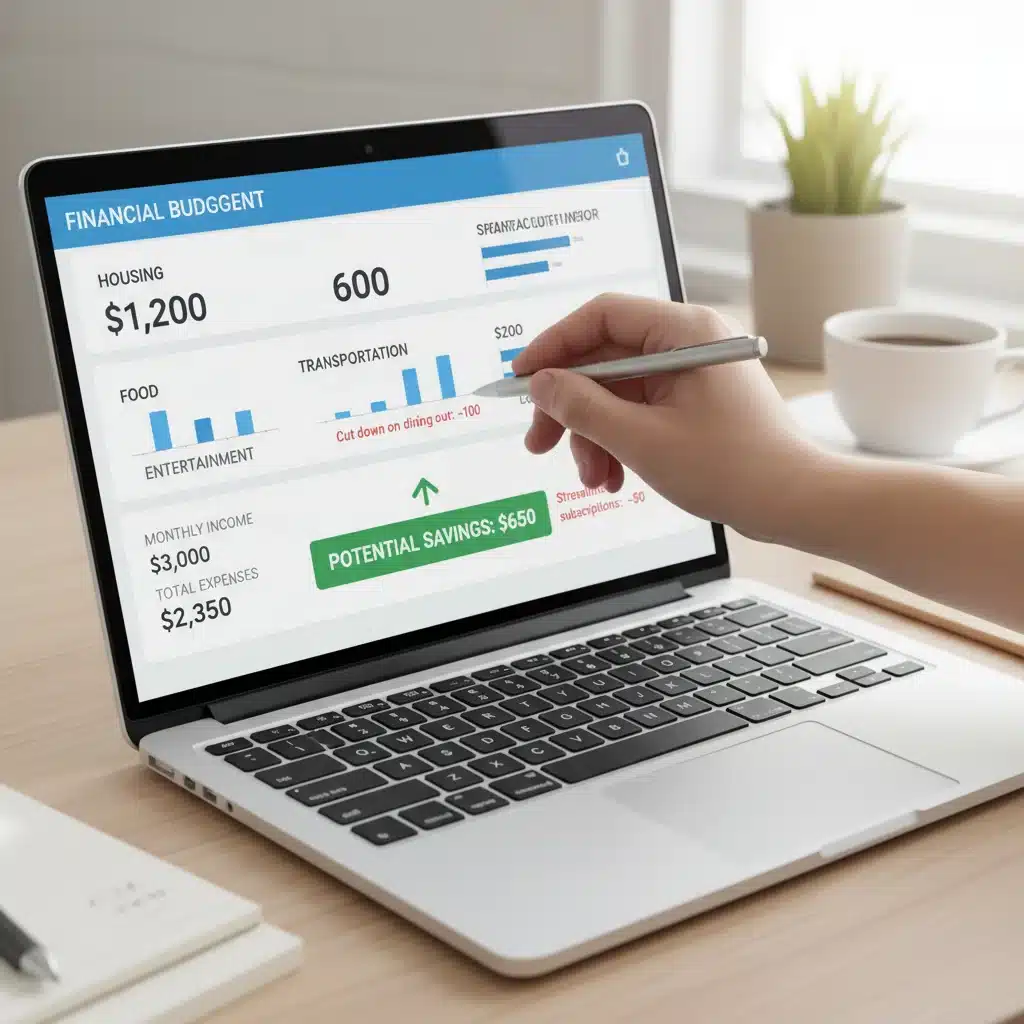
Targeted Strategies to Cut Monthly Expenses
Now, let’s dive into specific areas where you can implement changes to significantly cut monthly expenses. Remember, small changes in multiple areas can quickly add up to your 15% goal.
Re-evaluate and Trim Subscriptions and Memberships
In the digital age, subscription services have become ubiquitous. Streaming platforms, gym memberships, software subscriptions, and even monthly box deliveries can quietly drain your bank account. Take an inventory of all your recurring subscriptions.
- Audit Regularly: Go through your bank statements every few months to identify all recurring charges.
- Cancel Unused Services: Be ruthless. If you haven’t used a service in a while or can live without it, cancel it.
- Bundle or Share: Can you bundle streaming services for a discount? Or perhaps share a family plan with others to reduce individual costs?
- Negotiate: For some services, especially gym memberships, you might be able to negotiate a lower rate or pause your membership if you’re not using it.
Optimize Food Spending: Groceries and Dining Out
Food is often one of the largest variable expenses for households. Smart strategies here can lead to substantial savings.
- Meal Planning: Plan your meals for the week before you shop. This reduces impulse buys and ensures you only buy what you need.
- Grocery Lists: Stick strictly to your grocery list. Avoid shopping when hungry.
- Cook at Home: Dining out and takeout are significant expense drivers. Aim to cook more meals at home. Even packing your lunch a few times a week can save hundreds annually.
- Buy in Bulk (Wisely): For non-perishable items you use frequently, buying in bulk can save money. Be careful not to overbuy perishables that might spoil.
- Utilize Sales and Coupons: Keep an eye on weekly sales flyers and digital coupons.
- Reduce Food Waste: Learn to use leftovers creatively and properly store food to extend its shelf life.
Reduce Transportation Costs
For many, commuting and travel are major expenses.
- Public Transportation/Carpooling: If available, using public transport or carpooling can drastically reduce fuel costs, parking fees, and wear and tear on your vehicle.
- Walk/Bike: For shorter distances, consider walking or biking. It’s free, healthy, and environmentally friendly.
- Vehicle Maintenance: Regular maintenance can prevent costly repairs down the line and improve fuel efficiency.
- Shop for Insurance: Compare car insurance quotes annually. Rates can change significantly between providers.
Slash Utility Bills
Utilities might seem fixed, but there are many ways to reduce consumption.
- Energy Efficiency: Unplug electronics when not in use (phantom load), switch to LED light bulbs, and use smart thermostats to regulate heating and cooling.
- Water Conservation: Fix leaky faucets, take shorter showers, and run full loads of laundry and dishes.
- Negotiate Rates: In some deregulated areas, you can shop for electricity or gas providers. Even if not, sometimes a call to your current provider can yield a discount or better plan.

Advanced Strategies for Deeper Savings
Once you’ve tackled the more obvious areas, it’s time to look at some advanced strategies to further cut monthly expenses and reach or exceed your 15% goal.
Refinance High-Interest Debt
If you have high-interest debt, such as credit card balances or personal loans, consider refinancing. A lower interest rate can significantly reduce your monthly payments and the total amount of interest you pay over the life of the loan. This frees up cash flow that can be directed towards other financial goals.
- Consolidation Loans: Explore personal loans with lower interest rates to consolidate credit card debt.
- Balance Transfers: Look for credit cards offering 0% APR balance transfer promotions, but be mindful of transfer fees and the promotional period.
Review Insurance Policies
Insurance is a necessity, but you might be overpaying. Review your home, auto, health, and life insurance policies annually.
- Shop Around: Get quotes from multiple providers. Prices vary widely for the same coverage.
- Increase Deductibles: A higher deductible usually means lower monthly premiums. Ensure you have an emergency fund to cover the deductible if needed.
- Bundle Policies: Many insurers offer discounts if you bundle multiple policies (e.g., home and auto).
- Remove Unnecessary Coverage: For older cars, collision or comprehensive coverage might not be worth the cost.
Housing Costs: The Big One
Housing is typically the largest expense. While changing your housing situation might not be a quick fix, it’s worth considering for long-term savings.
- Refinance Mortgage: If interest rates have dropped since you bought your home, refinancing could significantly lower your monthly mortgage payment.
- Downsize: If your current home is larger than you need, consider moving to a smaller, more affordable property.
- Get a Roommate: If you have extra space, taking on a roommate can offset a significant portion of your rent or mortgage.
- Negotiate Rent: For renters, especially if you’re a good tenant, try negotiating your rent when your lease is up for renewal.
Embrace Frugal Entertainment and Hobbies
Entertainment doesn’t have to break the bank. There are countless ways to enjoy yourself without spending a fortune.
- Free Activities: Explore local parks, libraries, free community events, hiking trails, or free museum days.
- DIY Entertainment: Host game nights, potlucks, or movie nights at home instead of going out.
- Borrow, Don’t Buy: Utilize your local library for books, movies, and even some tools.
- Second-hand Shopping: For hobbies that require equipment, check out thrift stores, online marketplaces, or borrow from friends.
Cultivating a Mindset for Sustainable Savings
Beyond specific actions, developing a mindful approach to spending is key to maintaining your ability to cut monthly expenses over the long term.
The ‘Delay Gratification’ Principle
When you feel an urge to make an impulse purchase, practice the ‘delay gratification’ technique. Give yourself a cooling-off period – 24 hours, 48 hours, or even a week. Often, the desire to buy will fade, or you’ll realize you don’t truly need the item.
Adopt a Minimalist Approach
Consider how a minimalist mindset can influence your spending. By focusing on experiences over possessions, quality over quantity, and consciously decluttering your life, you naturally reduce the desire for new purchases and appreciate what you already have.
Regular Financial Reviews
Make it a habit to regularly review your budget and financial progress. This doesn’t have to be a daily task, but a weekly or bi-weekly check-in can help you stay on track, make adjustments as needed, and celebrate your successes. Seeing your savings grow is a powerful motivator.
Automate Your Savings
The easiest way to save money is to make it automatic. Set up automatic transfers from your checking account to your savings or investment accounts immediately after payday. This ‘pay yourself first‘ strategy ensures that savings are prioritized and not just an afterthought.
Set Clear Financial Goals
Having specific, measurable, achievable, relevant, and time-bound (SMART) financial goals provides direction and motivation. Whether it’s saving for a down payment, a vacation, or retirement, clear goals make the effort to cut monthly expenses feel purposeful and rewarding.
Overcoming Challenges and Staying Motivated
The journey to significantly cut monthly expenses isn’t always smooth. There will be temptations, unexpected costs, and moments of frustration. Here’s how to navigate them:
Be Flexible, Not Rigid
A budget shouldn’t feel like a straitjacket. Life happens. If an unexpected expense arises, adjust your budget for that month rather than abandoning it entirely. The goal is progress, not perfection.
Celebrate Small Wins
Acknowledge and celebrate your achievements, no matter how small. Did you successfully stick to your grocery budget for the week? Did you resist an impulse purchase? These small victories build momentum and reinforce positive habits.
Find a Support System
Share your financial goals with a trusted friend, family member, or partner. Having someone to hold you accountable or share tips with can make the process more enjoyable and sustainable.
Educate Yourself Continuously
The world of personal finance is vast and ever-changing. Continuously learn about new saving strategies, investment opportunities, and financial planning techniques. The more knowledgeable you are, the better equipped you’ll be to make smart financial decisions.
Conclusion: Your Path to Financial Freedom by 2026
Achieving the goal to cut monthly expenses by 15% in 2026 is entirely within your grasp. It requires a combination of self-awareness, strategic planning, disciplined action, and a commitment to continuous improvement. By diligently tracking your spending, creating a realistic budget, and implementing the targeted strategies outlined in this guide, you will not only save money but also gain a profound sense of control over your financial life.
The benefits extend far beyond just having more money in your bank account. Reduced financial stress, increased opportunities for investment and growth, and the ability to pursue your life goals with greater confidence are all invaluable outcomes of mastering your spending habits. Start today, make small, consistent changes, and watch as your financial landscape transforms, setting you firmly on the path to financial freedom by 2026 and beyond.
Remember, every dollar saved is a dollar earned, and every smart spending habit cultivated is a step closer to the financial future you envision.