Student Loan Default: Rehabilitation vs. Consolidation in 2026

Student Loan Default: Rehabilitation vs. Consolidation in 2026
Navigating the complex landscape of student loan debt can be challenging, and finding yourself in student loan default can feel like an insurmountable obstacle. However, it’s crucial to understand that defaulting on your student loans does not mean the end of your financial journey. In fact, there are established pathways designed to help you recover and regain financial stability. As we look towards 2026, the options of student loan rehabilitation and student loan consolidation remain primary tools for borrowers seeking to exit default. But which one is the best path for you? This comprehensive guide will dissect the nuances of each option, helping you make an informed decision to secure your financial future.
The consequences of student loan default are severe and far-reaching. They can include wage garnishment, tax refund offsets, collection fees, damage to your credit score, and ineligibility for further federal student aid. These repercussions highlight the urgency of addressing default as soon as possible. Understanding the mechanisms of rehabilitation and consolidation is the first step toward mitigating these negative effects and returning your loans to good standing.
This article aims to provide a detailed comparison, examining the eligibility requirements, benefits, drawbacks, and long-term implications of both student loan rehabilitation and student loan consolidation. By the end, you should have a clear understanding of which strategy aligns best with your specific financial situation and goals for 2026 and beyond.
Understanding Student Loan Default: The Basics
Before diving into solutions, it’s essential to grasp what student loan default truly means. For most federal student loans, default occurs when you fail to make payments for a specified period, typically 270 days for Direct Loans and FFEL Program loans. Private student loans have their own terms, which can vary widely. Once your loan enters default, it’s transferred from your loan servicer to a collection agency, and the full outstanding balance, including accrued interest, often becomes immediately due.
The Ramifications of Student Loan Default
The impact of student loan default extends beyond just owing money. Here’s a breakdown of the common consequences:
- Credit Score Damage: Default is reported to the major credit bureaus, severely damaging your credit score. This can make it difficult to secure future loans, credit cards, housing, or even certain jobs.
- Wage Garnishment: The government can legally seize a portion of your wages without a court order to repay your defaulted federal student loan.
- Tax Refund Offset: Your federal and state tax refunds can be withheld and applied to your defaulted loan balance.
- Loss of Eligibility for Federal Student Aid: You become ineligible for additional federal student aid, including grants, work-study, and new federal student loans.
- Collection Fees: Collection agencies can add significant fees to your outstanding balance, increasing the total amount you owe.
- Loss of Deferment/Forbearance Eligibility: You lose the ability to request deferment or forbearance, which could have provided temporary payment relief.
- Inability to Consolidate or Rehabilitate (until certain conditions are met): While these are solutions, you cannot access them until you meet specific criteria.
Given these severe consequences, taking proactive steps to resolve student loan default is paramount.
Student Loan Rehabilitation: A Path to Recovery
Student loan rehabilitation is a formal, structured program designed to help borrowers get out of student loan default and restore their loans to good standing. It’s a one-time opportunity for federal student loan borrowers.
How Student Loan Rehabilitation Works
The process of student loan rehabilitation involves making a series of on-time, voluntary, reasonable, and affordable payments. Here’s a detailed look:
- Contact Your Loan Holder: The first step is to contact the collection agency or the Department of Education’s Default Resolution Group to discuss your rehabilitation options.
- Negotiate Affordable Payments: You will work with the loan holder to determine a reasonable and affordable monthly payment amount. This amount is typically calculated based on your income and expenses. The goal is to set a payment that you can realistically afford without undue financial hardship.
- Make Nine On-Time Payments: You must make nine voluntary, reasonable, and affordable monthly payments within 10 consecutive months. It’s crucial that these payments are made on time. If you miss a payment or make it late, the rehabilitation process may be reset or terminated.
- Rehabilitation Completion: Once you successfully complete the nine payments, your loan is considered rehabilitated. This means it’s removed from default status, and transferred back to a regular loan servicer.
Benefits of Student Loan Rehabilitation
Rehabilitation offers several significant advantages for borrowers struggling with student loan default:
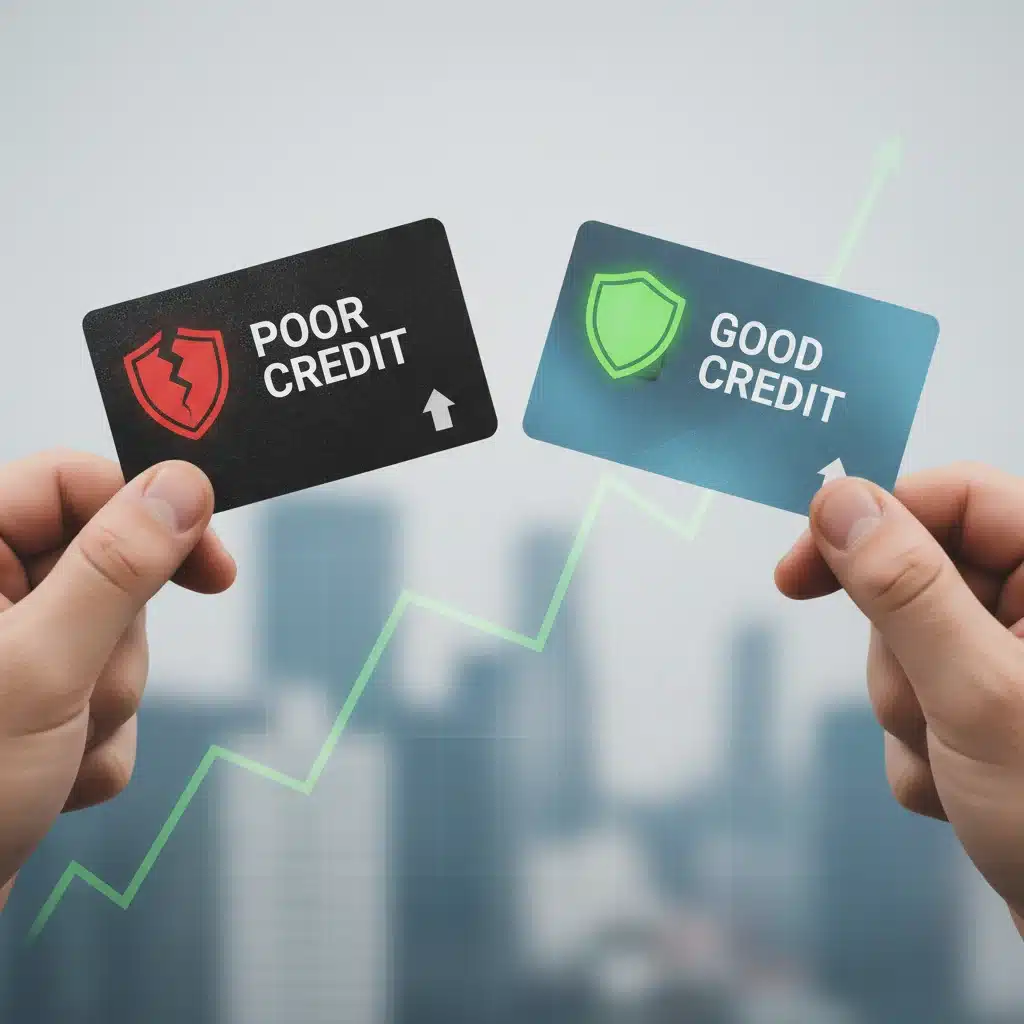
- Removal of Default from Credit Report: One of the most compelling benefits is that the record of default is removed from your credit report. This can significantly improve your credit score, making it easier to qualify for other forms of credit. However, the record of late payments prior to default will remain.
- Restoration of Eligibility for Federal Student Aid: Once rehabilitated, you regain eligibility for federal student aid, including grants, new federal loans, and work-study programs.
- Elimination of Wage Garnishment and Tax Refund Offset: Any active wage garnishments or tax refund offsets related to your defaulted loan will cease upon rehabilitation.
- Regain Access to Payment Plans: You regain access to various repayment plans, such as Income-Driven Repayment (IDR) plans, which can offer lower monthly payments based on your income and family size.
- One-Time Opportunity: While this is a benefit, it’s also a limitation. You can only rehabilitate a federal student loan once.
Drawbacks and Considerations for Rehabilitation
While rehabilitation is a powerful tool, it does have some considerations:
- Time Commitment: The process takes at least nine months, during which you must consistently make payments.
- Collection Fees: While the default status is removed, collection costs (up to 16% of the principal and interest) are typically added to the loan balance during rehabilitation.
- Late Payments Remain: Although the default status is removed from your credit report, the individual late payment history that led to the default will still be visible.
- Only for Federal Loans: Rehabilitation is only an option for federal student loans. Private student loans do not offer this specific program.
Student Loan Consolidation: A Strategic Approach
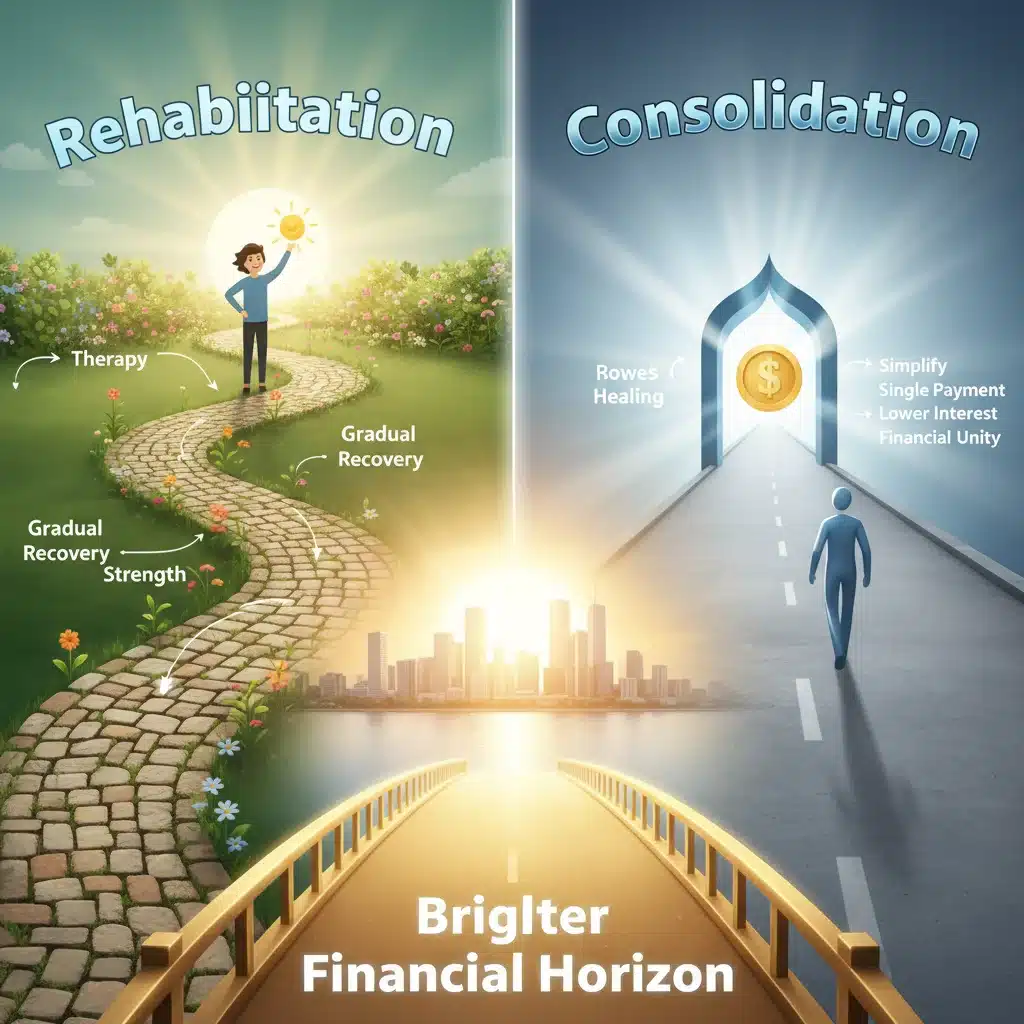
Student loan consolidation, specifically a Direct Consolidation Loan, is another viable option for getting out of student loan default. It involves combining one or more federal student loans into a single new loan with a single monthly payment.
How Student Loan Consolidation Works
For defaulted federal student loans, consolidation can be a quicker route out of default than rehabilitation. Here’s the general process:
- Apply for a Direct Consolidation Loan: You apply through StudentAid.gov. You can consolidate most types of federal student loans, including defaulted ones.
- Meet Eligibility Requirements: To consolidate a defaulted loan, you must agree to either:
- Make three consecutive, voluntary, on-time, full monthly payments on the defaulted loan before consolidating it.
- Agree to repay the new Direct Consolidation Loan under an Income-Driven Repayment (IDR) plan.
- New Loan Creation: Once approved, the new Direct Consolidation Loan pays off your old defaulted loans, effectively taking them out of default.
- Single Servicer and Payment: You will then have a single loan servicer and one monthly payment.
Benefits of Student Loan Consolidation
Consolidation offers distinct advantages, particularly for those in student loan default:
- Faster Exit from Default: If you agree to an IDR plan, you can exit default almost immediately upon consolidation approval, without waiting for nine months of payments. If you choose the three-payment option, it’s still generally faster than rehabilitation.
- Lower Monthly Payments: Consolidating into an IDR plan can significantly reduce your monthly payments, making them more manageable. This is particularly beneficial for borrowers with high debt-to-income ratios.
- Access to All Federal Benefits: Once consolidated and out of default, you regain eligibility for federal student aid, deferment, forbearance, and various repayment plans, including Public Service Loan Forgiveness (PSLF) if applicable.
- Simplicity: Consolidating multiple loans into one simplifies your repayment process, as you only have one payment to track each month.
- New Interest Rate: The interest rate on a Direct Consolidation Loan is a weighted average of the interest rates on the loans being consolidated, rounded up to the nearest one-eighth of one percent. This might result in a slightly different interest rate, which could be beneficial depending on your original rates.
Drawbacks and Considerations for Consolidation
Despite its benefits, consolidation also has potential downsides:
- Default Record Remains: Unlike rehabilitation, consolidation does not remove the record of default from your credit report. The default status will remain, though the loan itself will be in good standing. This is a crucial distinction.
- Increased Overall Cost: Because consolidation can extend your repayment period (up to 30 years), you may pay more in interest over the life of the loan, even if your monthly payments are lower.
- Loss of Certain Benefits: If you consolidate Perkins Loans or Parent PLUS Loans, you might lose some specific benefits associated with those loan types.
- Collection Fees: Similar to rehabilitation, collection costs (up to 18.5% of the principal and interest) are added to the loan balance during consolidation.
Rehabilitation vs. Consolidation: Which is Right for You in 2026?
The choice between student loan rehabilitation and student loan consolidation depends heavily on your individual financial circumstances, priorities, and long-term goals. Here’s a comparative breakdown to help you decide in 2026:
When to Choose Rehabilitation
You might opt for rehabilitation if:
- Credit Score Improvement is Your Top Priority: If removing the default record from your credit report is paramount for future financial endeavors (e.g., buying a house, getting a car loan), rehabilitation is the clear choice.
- You Can Consistently Make Payments: You are confident in your ability to make nine consecutive, on-time, affordable payments.
- You Have Only One Defaulted Loan: If you only have one defaulted loan, the administrative simplicity of rehabilitation might be appealing.
- You’ve Never Rehabilitated Before: Remember, rehabilitation is a one-time opportunity.
When to Choose Consolidation
Consolidation might be the better option if:
- You Need to Exit Default Quickly: If you are facing immediate wage garnishment or tax refund offset, and need to stop it as quickly as possible, consolidating into an IDR plan can achieve this rapidly.
- You Need Lower Monthly Payments Immediately: If your current income makes regular payments impossible, consolidating into an IDR plan can provide immediate relief with payments based on your discretionary income.
- You Have Multiple Defaulted Loans: Consolidating multiple defaulted loans simplifies your repayment by combining them into one, with one servicer and one payment.
- You Don’t Mind the Default Record Remaining: If the credit score impact of the default record remaining on your report is less critical to your immediate financial plans, consolidation offers a faster exit.
- You Want Access to PSLF: If you are working in public service and want to pursue Public Service Loan Forgiveness, consolidating into a Direct Loan is a necessary step, and choosing an IDR plan is required for PSLF.
Hybrid Approaches and Key Considerations for 2026
It’s also possible to consider a hybrid approach or a sequence of actions. For instance, some borrowers might choose to rehabilitate a loan to clear the default from their credit report, and then later consolidate it with other non-defaulted loans to simplify payments or access specific IDR plans. However, you cannot consolidate a loan that has already been rehabilitated and is in good standing if your goal is to remove the default from your credit report (since it’s already gone).
As of 2026, the landscape of federal student aid programs continues to evolve. Keep an eye on any new legislative changes or program updates that might affect rehabilitation or consolidation options. The Department of Education regularly reviews and adjusts these programs to best serve borrowers. Always check the official StudentAid.gov website for the most current information.
Key Steps to Take When Facing Student Loan Default
Regardless of whether you choose rehabilitation or consolidation, here are critical steps to take:
- Don’t Panic, But Act Quickly: The sooner you address your student loan default, the better. Procrastination only exacerbates the problem.
- Identify Your Loan Type: Determine if your loans are federal or private. Your options will differ significantly.
- Gather Financial Documents: Be prepared to provide income verification, expense details, and other financial information to determine affordable payment amounts.
- Contact Your Loan Holder or Default Resolution Group: Reach out to the entity holding your defaulted loan to discuss your options. They can guide you through the specific requirements.
- Understand the Terms: Fully comprehend the payment terms, timelines, and consequences of both rehabilitation and consolidation before committing.
- Seek Professional Advice: Consider consulting with a non-profit credit counselor or a financial advisor specializing in student loan debt. They can offer personalized guidance.
- Budget and Plan: Create a realistic budget to ensure you can meet the payment requirements of your chosen path.
Preventing Future Student Loan Default
Once you’ve successfully navigated out of student loan default, the next crucial step is to prevent it from happening again. Here are some strategies:
- Enroll in an Income-Driven Repayment (IDR) Plan: These plans adjust your monthly payments based on your income and family size, making them more affordable. Payments can even be as low as $0 per month if your income is below a certain threshold.
- Utilize Deferment or Forbearance: If you face temporary financial hardship (e.g., unemployment, illness), these options allow you to temporarily postpone or reduce your loan payments. Interest may still accrue, but it can prevent default.
- Communicate with Your Servicer: If you anticipate difficulty making a payment, contact your loan servicer immediately. They can often help you explore options before you miss a payment.
- Build an Emergency Fund: Having a financial safety net can help you cover unexpected expenses without jeopardizing your loan payments.
- Understand Your Loan Terms: Stay informed about your interest rates, repayment schedule, and any changes to federal student aid policies.
Conclusion: A Path Forward from Student Loan Default in 2026
Facing student loan default is undoubtedly a stressful experience, but it is not a permanent state. Both student loan rehabilitation and student loan consolidation offer viable, government-backed pathways to regain control of your finances and restore your creditworthiness. In 2026, the choice between these two options hinges on your specific needs: prioritize credit report clean-up with rehabilitation, or opt for a faster exit and immediate payment relief with consolidation, especially if you have multiple loans or need an IDR plan.
The key is proactive engagement. Don’t let fear or confusion paralyze you. By understanding the intricacies of each solution and carefully evaluating your personal financial situation, you can make an informed decision that sets you on a sustainable path toward financial freedom. Remember to leverage available resources, including your loan servicer and official government websites like StudentAid.gov, to ensure you have the most up-to-date and accurate information. Your financial future is worth the effort to navigate out of student loan default.