Section 179 Expensing in 2026: Maximizing Your Business Deductions

In the dynamic world of business, every dollar saved on taxes can be reinvested to fuel growth, innovation, and expansion. For savvy business owners, understanding and effectively utilizing tax incentives is paramount. Among the most powerful tools available to reduce taxable income is Section 179 of the IRS tax code. As we look ahead to 2026, it’s crucial for businesses to grasp the nuances of Section 179 Expensing 2026 to maximize their deductions on qualifying equipment purchases.
This comprehensive guide will delve deep into what Section 179 entails, its benefits, the eligibility criteria for property and businesses, the anticipated limits for 2026, and strategic tips to ensure you leverage this significant tax break to its fullest potential. Whether you’re a small startup acquiring your first piece of essential machinery or a well-established enterprise upgrading your entire fleet, understanding Section 179 is a game-changer for your financial health.
Understanding Section 179 Expensing: A Foundation for 2026
Section 179 of the IRS tax code allows businesses to deduct the full purchase price of qualifying equipment and/or software purchased or financed during the tax year. This means that instead of depreciating the asset over several years, businesses can deduct the entire cost in the year it was placed in service. The primary goal of Section 179 is to encourage businesses, especially small and medium-sized enterprises (SMEs), to invest in themselves by purchasing equipment, vehicles, and software that can enhance productivity and efficiency.
Traditionally, when a business buys a long-term asset, it must depreciate its cost over its useful life. For example, a piece of machinery with a 7-year useful life would have its cost spread out as a deduction over those seven years. Section 179 provides an exception to this rule, allowing for an immediate deduction. This immediate write-off can significantly reduce a business’s taxable income, leading to substantial tax savings in the current year.
The Evolution of Section 179
Section 179 has undergone various changes and adjustments over the years, often influenced by economic conditions and legislative priorities. Its limits and rules are subject to annual review and potential modification by Congress. Staying informed about these changes is vital for accurate tax planning. While specific figures for 2026 will be officially released closer to the tax year, we can extrapolate based on current trends and historical adjustments to provide an informed outlook.
The intent behind Section 179 remains constant: to stimulate economic growth by incentivizing business investment. For businesses planning capital expenditures in 2026, incorporating Section 179 Expensing 2026 into their financial strategy is not just an option but a strategic imperative.
Key Benefits of Utilizing Section 179 Expensing in 2026
The advantages of applying Section 179 to your business equipment purchases are numerous and can have a profound impact on your bottom line. Understanding these benefits is the first step toward leveraging this powerful tax tool.
Immediate Tax Savings
The most direct benefit is the immediate reduction in your taxable income. By deducting the full cost of qualifying assets in the year of purchase, businesses can significantly lower their tax liability for that year. This is particularly beneficial for profitable businesses looking to offset their earnings.
Improved Cash Flow
Lower tax payments mean more cash available within your business. This improved cash flow can be critical for operations, expansion, debt reduction, or further investments. Instead of waiting years to fully recover the cost of an asset through depreciation, Section 179 allows for quicker recoupment, freeing up capital.
Stimulates Business Investment
Section 179 is designed to encourage businesses to buy equipment and software when they need it, rather than deferring purchases due to tax implications. This incentive can help businesses stay competitive by upgrading technology, improving efficiency, and expanding capabilities without the full upfront tax burden.
Simplicity Compared to Depreciation
While depreciation calculations can be complex, Section 179 offers a simpler approach. Instead of tracking depreciation schedules for multiple assets over many years, a single deduction in the year of purchase streamlines accounting processes for those specific assets.
Broader Range of Eligible Assets
The scope of what qualifies under Section 179 is quite broad, encompassing a wide array of tangible personal property. This flexibility allows many different types of businesses to benefit, from manufacturing to IT services.
Who Qualifies for Section 179 Expensing in 2026?
Not every business or every asset automatically qualifies for Section 179. There are specific criteria that must be met. Understanding these requirements is essential for accurate planning and compliance.
Eligible Businesses
Primarily, Section 179 is aimed at businesses that purchase qualifying equipment and place it into service during the tax year. This includes:
- Small and Medium-Sized Businesses (SMBs): These are typically the biggest beneficiaries, as the expensing limits are designed to significantly impact their tax burden.
- Any Business Type: Whether you’re a sole proprietorship, partnership, S-Corp, or C-Corp, if you meet the other criteria, you can utilize Section 179.
- Profitability Requirement: The deduction cannot create a net loss for your business. The Section 179 deduction is limited to your business’s taxable income. If your deduction exceeds your taxable income, you can carry forward the unused amount to future tax years.
Eligible Property for Section 179 Expensing 2026
The definition of "qualifying property" is broad but specific. Generally, it refers to tangible personal property used in your trade or business. This can include:
- Machinery and Equipment: From manufacturing equipment to specialized tools.
- Computers and "Off-the-Shelf" Software: This includes laptops, desktops, servers, and standard software packages that are readily available for purchase by the general public.
- Office Furniture and Fixtures: Desks, chairs, filing cabinets, and other items necessary for your office space.
- Certain Vehicles: Specific types of vehicles, primarily heavy SUVs, pickups, and vans with a gross vehicle weight rating (GVWR) over 6,000 pounds, when used more than 50% for business. Regular passenger cars have lower limits.
- Qualified Real Property Improvements: This includes improvements to nonresidential real property such as roofs, HVAC, fire protection, alarm systems, and security systems.
- Livestock: Such as horses, cattle, and other animals used for business purposes.
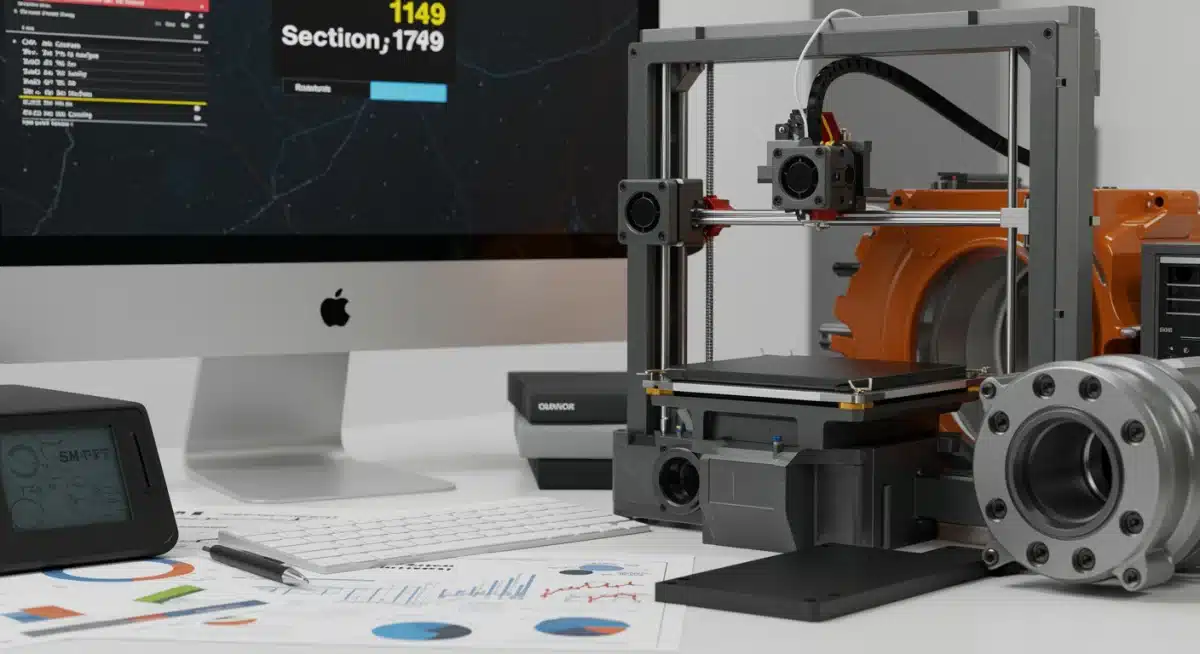
It’s crucial that the property is purchased and placed into service during the tax year for which you are claiming the deduction. "Placed into service" means it’s ready and available for its intended use, even if you’re not using it constantly.
What Does NOT Qualify?
There are also types of property that do not qualify for Section 179 expensing:
- Real Estate: Land and land improvements (except for qualified real property improvements mentioned above).
- Property Used Outside the U.S.: Unless certain exceptions apply.
- Property Acquired from Related Parties: Transactions between related parties (e.g., family members, controlled corporations) are generally excluded.
- Leased Property (as a Lessor): If your business leases property to others, it generally does not qualify for Section 179 for your business. However, if you are the lessee, certain leased property can qualify.
Anticipated Section 179 Expensing Limits for 2026
While the definitive figures for Section 179 Expensing 2026 will be released by the IRS, we can make informed projections based on current legislation and historical adjustments for inflation. For the 2023 tax year, the maximum Section 179 deduction was $1,160,000, with a phase-out threshold of $2,890,000. These figures are typically adjusted annually for inflation.
For 2026, it is reasonable to expect a slight increase in both the maximum deduction limit and the phase-out threshold due to inflation. However, businesses should always consult the most current IRS guidelines or a qualified tax professional as the year approaches to confirm the exact figures.
Maximum Deduction Limit
This is the absolute maximum amount you can deduct under Section 179 for qualifying property placed in service during the year. This limit is critical for businesses making significant capital expenditures.
Phase-Out Threshold
Section 179 is designed primarily to benefit small and medium-sized businesses. To ensure this, there’s a phase-out threshold. If your business purchases more than this threshold in qualifying property in a given year, the Section 179 deduction begins to decrease dollar-for-dollar. For example, if the phase-out threshold is $3,000,000 and your business purchases $3,100,000 in qualifying property, your maximum Section 179 deduction would be reduced by $100,000.
Taxable Income Limitation
As mentioned, the Section 179 deduction cannot exceed your business’s taxable income. This means you can’t use Section 179 to create a loss. However, any amount disallowed due to this limitation can be carried forward to future tax years, allowing you to potentially use it when your business is more profitable.
Section 179 vs. Bonus Depreciation in 2026
It’s important to differentiate Section 179 from bonus depreciation, as both allow for accelerated deductions but operate under different rules and have different implications. While Section 179 allows you to elect to expense the cost of qualifying property, bonus depreciation is an automatic deduction (unless you elect out of it).
Bonus Depreciation Trends
Bonus depreciation, which allowed businesses to deduct a percentage of the cost of qualifying new and used property, was at 100% for many years. However, under current law, bonus depreciation began to phase down starting in 2023. It was 80% for property placed in service in 2023, 60% in 2024, and 40% in 2025. For 2026, bonus depreciation is scheduled to be 20%.
This decline in bonus depreciation makes Section 179 Expensing 2026 even more critical for many businesses, especially those making substantial investments. With bonus depreciation decreasing, Section 179 could become the primary avenue for immediate expensing for many assets.
Key Differences:
- Mandatory vs. Elective: Bonus depreciation is automatic unless you elect out; Section 179 is an elective deduction.
- Taxable Income Limit: Section 179 is limited by taxable income; bonus depreciation is not.
- Property Type: Bonus depreciation typically applies to new and used property, whereas Section 179 has specific rules for used property.
- Phase-Out: Section 179 has a phase-out based on the total amount of property purchased; bonus depreciation does not.
Businesses often use both Section 179 and bonus depreciation in conjunction to maximize their deductions, applying Section 179 first, then bonus depreciation to any remaining basis. However, with bonus depreciation decreasing, the strategic application of Section 179 becomes even more pronounced.
Strategic Planning for Section 179 Expensing in 2026
Effective utilization of Section 179 requires careful planning and a thorough understanding of your business’s financial situation and future capital expenditure needs. Here are some strategies to consider:
Forecast Capital Expenditures
Look ahead at your business’s needs for equipment, software, and vehicle upgrades. By forecasting these expenses, you can plan when to make purchases to align with the maximum Section 179 benefits. Consider grouping purchases to hit the optimal deduction amount without exceeding the phase-out threshold unnecessarily.
Assess Your Taxable Income
Since the Section 179 deduction cannot create a net loss, estimate your business’s taxable income for 2026. This will help you determine how much of the deduction you can actually utilize in that year. If you anticipate lower profits, you might consider deferring some purchases or relying more on traditional depreciation for some assets.
Understand "Placed in Service"
Remember, the deduction applies to property "placed in service" during the tax year. This means the equipment must be ready for use. If you purchase equipment late in the year, ensure it’s installed and operational before December 31st to claim the deduction for that tax year.
Consider Financing Options
Even if you finance the equipment, you can still deduct the full purchase price under Section 179. This can be a huge advantage, allowing businesses to acquire necessary assets without depleting cash reserves, while still reaping the tax benefits immediately. Explore loans, equipment leases (structured as a capital lease for tax purposes), or lines of credit.

Keep Meticulous Records
Accurate record-keeping is paramount. Maintain detailed records of all equipment purchases, including invoices, proof of payment, dates placed in service, and documentation of business use. This will be crucial in case of an IRS audit.
Consult with a Tax Professional
Tax laws can be complex and are subject to change. A qualified tax advisor can provide personalized guidance, help you navigate the specific rules for Section 179 Expensing 2026, and ensure you’re maximizing your deductions while remaining compliant with all IRS regulations. They can also help you determine whether Section 179 or bonus depreciation (or a combination) is more advantageous for your unique situation.
Common Misconceptions About Section 179
Despite its widespread use, several misconceptions often arise regarding Section 179. Dispelling these can help businesses avoid errors and missed opportunities.
"Section 179 is only for new equipment."
False. Section 179 applies to both new and used equipment, as long as it’s new to your business. This is a significant advantage, especially for businesses looking to save by purchasing pre-owned assets.
"It’s a credit, not a deduction."
False. Section 179 is a deduction, which reduces your taxable income. A tax credit, by contrast, directly reduces your tax liability dollar-for-dollar. While both are beneficial, their mechanisms are different.
"You have to deduct the entire amount."
False. You can choose to deduct any amount up to the maximum limit. If you don’t need to deduct the full amount to reduce your taxable income to zero, or if you want to spread out deductions over time, you have the flexibility to take only a portion of the eligible amount and depreciate the rest.
"It applies to all vehicles."
False. While some heavy vehicles (over 6,000 lbs GVWR) can qualify for a full Section 179 deduction if used primarily for business, passenger vehicles have much lower limits on the amount that can be expensed. It’s crucial to check the specific IRS limits for different vehicle types.
Looking Ahead: Potential Legislative Changes for 2026 and Beyond
While this guide focuses on the anticipated rules for Section 179 Expensing 2026 based on current law, it’s always prudent for businesses to remain aware of potential legislative changes. Tax laws are dynamic, and Congress may introduce new legislation that could alter the landscape of business deductions.
Historically, Section 179 limits and bonus depreciation rates have been subjects of legislative debate, often tied to broader economic policy goals. For instance, there have been discussions about making 100% bonus depreciation permanent again or adjusting Section 179 limits to further stimulate specific sectors of the economy.
Businesses should:
- Stay Informed: Regularly check official IRS publications and reliable tax news sources for updates.
- Maintain Flexibility: Build some flexibility into your capital expenditure plans to adapt if rules change.
- Engage with Professionals: Regularly consult with your tax accountant or financial advisor, especially when making significant investment decisions, as they will be abreast of the latest legislative developments.
Being proactive in monitoring these developments will ensure that your business can quickly adapt its tax strategy to any new regulations, thereby continuing to optimize its tax position.
Conclusion: Empowering Your Business with Section 179 in 2026
Section 179 expensing remains an incredibly valuable tax incentive for businesses looking to invest in their future. By allowing for the immediate deduction of qualifying equipment and software, it provides significant tax savings, boosts cash flow, and encourages crucial business investments.
As you plan for 2026, a thorough understanding of the eligibility criteria, anticipated limits, and strategic considerations for Section 179 Expensing 2026 is essential. Don’t leave money on the table. By leveraging this powerful section of the tax code, your business can reduce its tax burden, free up capital, and position itself for sustained growth and success in the years to come.
Remember, while this guide provides comprehensive information, it is not a substitute for professional tax advice. Always consult with a qualified tax professional to discuss your specific business situation and ensure full compliance with IRS regulations. Smart tax planning today leads to a stronger, more prosperous business tomorrow.