Smart Money Moves 2026: Save $1,000 in 30 Days – Practical Solutions

Smart Money Moves for 2026: How to Save $1,000 in Just 30 Days with Practical Solutions
Are you looking to make significant strides in your financial journey? Do you dream of having an extra $1,000 in your bank account within a month? While it might sound like an ambitious goal, saving money fast, specifically $1,000 in just 30 days, is entirely achievable with the right strategies and a determined mindset. In today’s economic climate, where every dollar counts, mastering the art of rapid savings can provide a much-needed financial cushion, kickstart a larger savings plan, or help you achieve a specific short-term goal. This comprehensive guide will walk you through practical, actionable steps and smart money moves for 2026 that will empower you to reach this impressive target.
We understand that financial situations vary greatly, and what works for one person might not be suitable for another. Therefore, we’ve compiled a diverse range of tips, from cutting discretionary spending to finding new income streams, ensuring there’s something for everyone. Whether you’re a seasoned saver or just starting your financial literacy journey, these insights will equip you with the tools to save money fast and effectively.
The key to successfully saving $1,000 in 30 days lies in a combination of rigorous budgeting, mindful spending, and proactive income generation. It requires a temporary shift in your financial habits, but the rewards are well worth the effort. Let’s dive into the practical solutions that will help you achieve your goal.
The Foundation: Creating a 30-Day Budget to Save Money Fast
The very first step to effectively save money fast is to understand where your money is currently going. A detailed 30-day budget is your roadmap. This isn’t just about tracking; it’s about strategizing every dollar for the next month.
1. Track Every Penny
For the next 30 days, become meticulous about tracking your expenses. Use a spreadsheet, a budgeting app, or even a simple notebook. Categorize every transaction: food, transportation, entertainment, utilities, subscriptions, etc. This detailed view will highlight areas where you can cut back significantly.
2. Identify Non-Essential Spending
Once you have a clear picture of your spending, identify all non-essential expenses. These are the low-hanging fruit in your quest to save money fast. Think about:
-
Daily Coffee Runs: A $5 coffee every weekday adds up to $100 in 20 days. Make coffee at home.
-
Eating Out/Takeaway: This is often one of the biggest budgetbusters. Commit to cooking all your meals at home for 30 days.
-
Unused Subscriptions: Review all your streaming services, gym memberships, and other recurring charges. Can you pause or cancel any for a month?
-
Impulse Buys: Avoid browsing online stores or physical shops that tempt you to spend. Implement a 24-hour rule for any non-essential purchase.
3. Set Daily/Weekly Spending Limits
Based on your income and essential expenses, determine how much you can realistically save each day or week. To save $1,000 in 30 days, you’re aiming for approximately $33-$34 per day. This might seem daunting, but by cutting non-essentials and finding extra income, it becomes manageable.
Aggressive Cost-Cutting Strategies: Practical Solutions for Rapid Savings
Once your budget is in place, it’s time to implement aggressive cost-cutting measures. These are the practical solutions designed to help you save money fast without completely sacrificing your quality of life.
4. The No-Spend Challenge (or Low-Spend Challenge)
Consider implementing a mini no-spend challenge for a week or even longer within your 30-day period. During a no-spend period, you only spend money on absolute necessities like housing, essential groceries, and transportation for work. For everything else, you find free alternatives or go without. Even a few days of zero discretionary spending can significantly boost your savings.
5. Meal Planning and Smart Grocery Shopping
Food is a major expense for many. To save money fast on groceries:
-
Plan Meals in Advance: Create a meal plan for the entire week. This prevents impulse buys and ensures you only purchase what you need.
-
Shop with a List: Stick strictly to your grocery list. Avoid shopping when hungry.
-
Cook in Bulk: Prepare larger portions of meals and freeze leftovers. This saves time and money on future meals.
-
Utilize Sales and Coupons: Look for discounts and use coupons for items you regularly buy.
-
Reduce Food Waste: Be mindful of what you throw away. Repurpose leftovers and use ingredients before they spoil.
6. Reduce Transportation Costs
Transportation can be a significant drain on your wallet. To save money fast:
-
Walk or Bike: For short distances, opt for walking or cycling instead of driving or taking public transport.
-
Public Transportation: If available, use public transport instead of driving, especially if parking fees or fuel costs are high.
-
Carpool: Share rides with colleagues or friends to split fuel costs.
-
Combine Errands: Plan your trips efficiently to reduce the number of journeys you make.
7. Energy Efficiency at Home
Even small changes in your energy consumption can lead to savings over 30 days.
-
Unplug Electronics: "Phantom load" can add up. Unplug chargers and appliances when not in use.
-
Adjust Thermostat: Raise the temperature a few degrees in summer and lower it in winter. Every degree counts.
-
Turn Off Lights: Simple yet effective. Turn off lights when leaving a room.
-
Shorter Showers: Reduce your shower time to save on water heating costs.
Leveraging Existing Resources: Smart Money Moves for Savings
Sometimes, the best way to save money fast is by making the most of what you already have or finding free alternatives.
8. Sell Unused Items
Decluttering can also be a money-making venture. Look around your home for items you no longer need or use:
-
Clothing and Accessories: Use apps like Poshmark, Depop, or local consignment stores.
-
Electronics: Old phones, tablets, or gaming consoles can be sold on eBay, Facebook Marketplace, or specialized electronics buyers.
-
Furniture and Home Goods: Larger items can be sold locally through Craigslist or Facebook Marketplace.
-
Books and Media: Online platforms or local used bookstores might be interested.
Every sale contributes directly to your $1,000 goal, helping you save money fast.
9. Utilize Free Entertainment
For 30 days, skip paid entertainment options. There are plenty of free alternatives:
-
Libraries: Borrow books, movies, music, and even passes to local museums.
-
Parks and Nature: Enjoy hiking, picnics, or simply relaxing outdoors.
-
Free Community Events: Check local listings for free concerts, festivals, or workshops.
-
Home Entertainment: Host a game night with friends, watch movies you already own, or try new recipes at home.
10. DIY Instead of Buying
Before buying something new, consider if you can make it yourself or if you already have something that serves the same purpose. This applies to small repairs, cleaning products, or even gifts.
Boosting Your Income: Accelerating Your Path to $1,000
While cutting expenses is crucial, finding ways to increase your income can significantly accelerate your ability to save money fast.
11. Take on Gig Work or Freelance Projects
The gig economy offers numerous opportunities to earn extra cash quickly:
-
Delivery Services: Sign up for food delivery (DoorDash, Uber Eats) or grocery delivery (Instacart).
-
Ride-Sharing: If you have a car and spare time, consider driving for Uber or Lyft.
-
Online Freelancing: Platforms like Upwork or Fiverr allow you to offer skills like writing, graphic design, web development, or virtual assistance.
-
Task-Based Apps: Apps like TaskRabbit can connect you with people needing help with handyman tasks, moving, or cleaning.
Even a few hours a week dedicated to these gigs can add a substantial amount to your savings goal.
12. Participate in Paid Surveys or Studies
While not a huge moneymaker, participating in legitimate paid online surveys (e.g., Survey Junkie, Swagbucks) or focus groups can contribute small amounts of cash or gift cards that free up your regular budget. University research studies often pay more for participation and can be a good option if you qualify.
13. Negotiate Bills and Services
Dedicate some time to reviewing your recurring bills. Call your service providers (internet, cable, mobile phone) and ask if there are any cheaper plans or if you can negotiate a lower rate. Often, companies will offer discounts to retain customers, helping you to save money fast on ongoing expenses.
Mindset and Motivation: Staying on Track to Save Money Fast
Saving $1,000 in 30 days requires discipline and motivation. Here’s how to stay focused.
14. Set Clear Goals and Visualize Success
Write down your $1,000 goal and why you want to achieve it. Is it for an emergency fund, a down payment, or a specific purchase? Visualizing the outcome can be a powerful motivator.
15. Track Your Progress Daily
Seeing your savings grow can be incredibly motivating. Update your budget or savings tracker daily. Celebrate small milestones along the way.
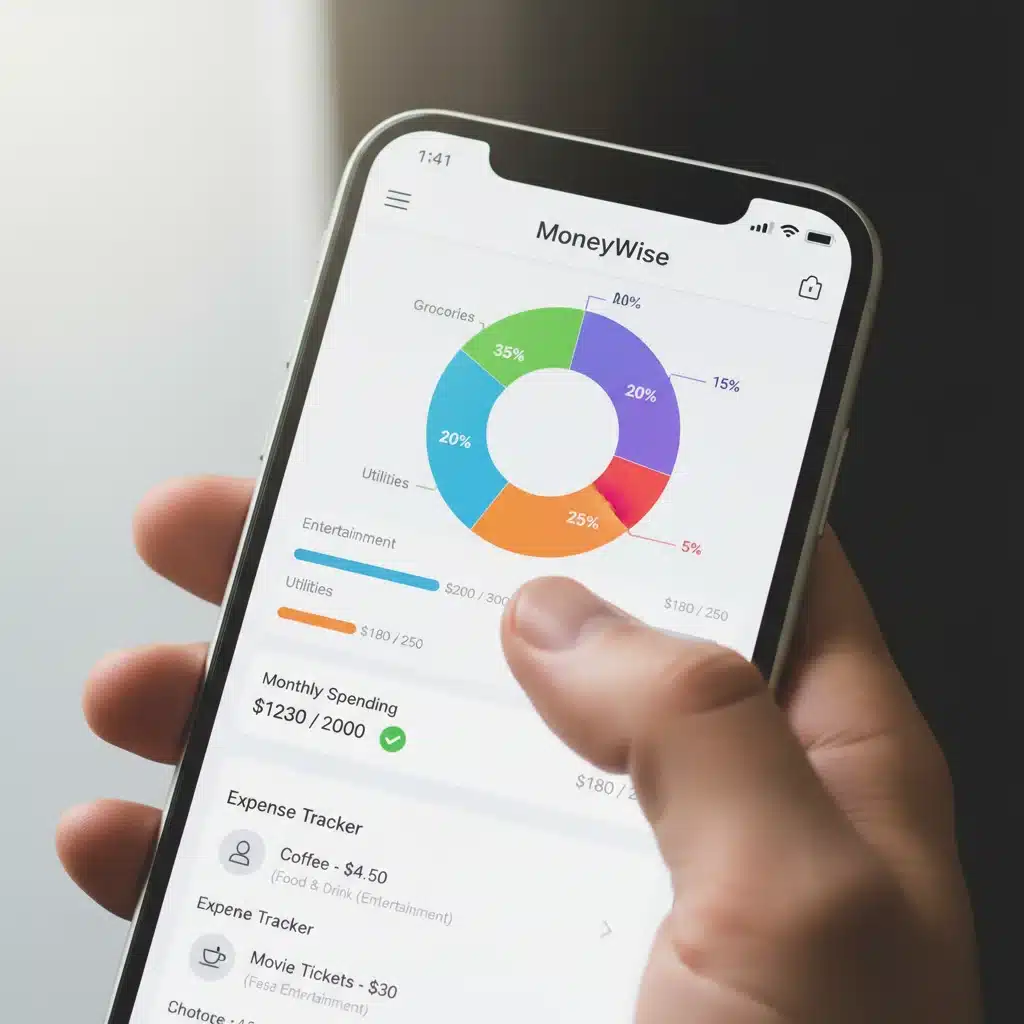
This visual representation of your efforts will reinforce your commitment to save money fast.
16. Find an Accountability Partner
Share your goal with a trusted friend or family member. Having someone to check in with can provide encouragement and keep you accountable.
17. Reward Yourself (Responsibly)
Once you hit your $1,000 goal, allow yourself a small, non-financial reward. This could be a relaxing evening, a long walk, or a movie night at home. This reinforces the positive habit without derailing your progress.
Advanced Tips for the Ambitious Saver: Smart Money Moves Beyond the Basics
For those who want to push even harder to save money fast, consider these advanced strategies.
18. The "Envelope System" for Cash Spending
If you struggle with overspending on certain categories, try the envelope system. Allocate a specific amount of cash for categories like groceries, entertainment, or personal care for the week. Once the cash in an envelope is gone, you cannot spend more in that category until the next week. This creates a tangible limit and prevents digital overspending.
19. Automate Your Savings
While you’re aiming for a rapid save, automating a portion of your savings can be a helpful habit to build for the long term. If your paycheck comes in bi-weekly, consider setting up an automatic transfer of a set amount to your savings account immediately after you get paid. Even if it’s a smaller amount than your daily target, it ensures consistent progress.
20. Review and Optimize Insurance Policies
It might take a bit more time than 30 days for changes to take effect, but reviewing your insurance policies (car, home, health) can reveal significant long-term savings. Shop around for better rates, increase your deductible if appropriate, or ask about discounts you might qualify for. While the savings might not hit your 30-day goal directly, the act of doing so frees up future cash flow.
21. Temporary "Side Hustle" for a Specific Skill
Beyond general gig work, think about any specific skills you possess that could be monetized quickly. Are you good at teaching a language? Can you offer tutoring? Do you have handyman skills? Could you offer pet sitting or dog walking services? Even a few clients in 30 days can provide a substantial boost to your savings.
22. "Found Money" Challenge
Make a conscious effort to find and save any "found money." This includes loose change, small refunds, cash back from credit cards (if you pay them off in full each month), or even small bonuses at work. Every little bit adds up when you’re trying to save money fast.
Overcoming Challenges and Staying Resilient
Saving $1,000 in 30 days is a sprint, not a marathon. There will be moments of temptation, frustration, or unexpected expenses. It’s crucial to acknowledge these challenges and have strategies to overcome them.
Expect the Unexpected
Life happens. An unforeseen expense might pop up. Don’t let it derail your entire plan. Re-evaluate your budget, see where you can make further cuts, or double down on your income-generating efforts for the remaining days. The goal is progress, not perfection.
Avoid Lifestyle Creep
Even for a short period, be mindful of lifestyle creep. Resisting the urge to "treat yourself" after a small win is vital. Keep your eye on the grand prize of $1,000.
Learn and Adapt
Every budgeting cycle is a learning experience. If certain strategies aren’t working, don’t be afraid to adapt. Perhaps cooking every single meal at home is too restrictive; find a balance that still contributes significantly to your savings without leading to burnout. The goal is to save money fast, but sustainably for the 30-day period.

Smart shopping is a cornerstone of effective money management.
Long-Term Benefits of Short-Term Saving
While the immediate goal is to save money fast, achieving $1,000 in 30 days has significant long-term benefits:
-
Boosted Confidence: Successfully reaching such an ambitious financial goal will build immense confidence in your ability to manage your money.
-
Improved Financial Literacy: The process forces you to become intimately familiar with your spending habits and financial inflows.
-
New Habits: Many of the strategies you employ to save money fast, such as meal planning, tracking expenses, and looking for deals, can become ingrained positive financial habits.
-
Emergency Fund Foundation: For many, this $1,000 can be the start of a crucial emergency fund, providing peace of mind.
-
Debt Reduction Potential: This extra cash can be used to pay down high-interest debt, saving you money in the long run.
These smart money moves for 2026 are not just about a quick fix; they are about laying the groundwork for a more secure financial future.
Conclusion: Your Path to $1,000 in 30 Days
Saving $1,000 in just 30 days is a challenging yet rewarding endeavor. It requires discipline, strategic planning, and a commitment to temporarily adjusting your lifestyle. By diligently applying the practical solutions outlined in this guide – from rigorous budgeting and aggressive cost-cutting to leveraging existing resources and boosting your income – you can absolutely achieve your goal.
Remember, every small decision you make over these 30 days contributes to the larger picture. Cut out that daily coffee, pack your lunch, sell an unused item, and take on a small gig. Each action is a step closer to your $1,000 target. Embrace the challenge, stay motivated, and watch as your financial discipline transforms into tangible savings. The smart money moves you make today will not only help you save money fast but will also empower you with valuable financial habits for years to come. Good luck, and happy saving!