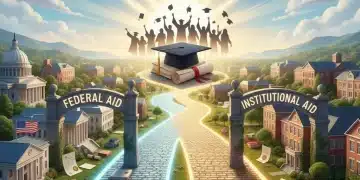
Government Aid Programs 2026: A Comprehensive Look at Non-Loan Options for Students
Embarking on a higher education journey is an exciting prospect, but the financial burden can often feel overwhelming. As we look towards 2026, understanding the landscape of government aid programs for students becomes paramount. Many prospective students and their families automatically think of student loans, but a wealth of non-loan options exists that can significantly reduce the cost of college and help students achieve their academic dreams without accumulating substantial debt. This comprehensive guide will delve into these crucial non-loan government student aid 2026 options, equipping you with the knowledge to navigate the financial aid process effectively.
The rising cost of tuition, housing, and educational materials makes financial planning for college more critical than ever. Fortunately, federal and state governments recognize this challenge and offer a variety of programs designed to make education accessible to all qualified individuals. These programs are often based on financial need, academic merit, or specific demographic criteria. By exploring grants, scholarships, and work-study programs, students can find avenues to fund their education that do not require repayment.
The goal of this article is to demystify the complex world of financial aid, focusing specifically on non-loan government student aid 2026. We will break down the different types of aid available, explain eligibility requirements, and provide practical tips on how to apply. Understanding these options is the first step towards securing a debt-free or significantly reduced-debt education.
Understanding the Foundation: Free Application for Federal Student Aid (FAFSA)
The cornerstone of accessing almost all federal government student aid 2026, including non-loan options, is the Free Application for Federal Student Aid (FAFSA). This essential form collects financial information from students and their families to determine their eligibility for federal and some state financial aid. It’s crucial to complete the FAFSA accurately and submit it as early as possible each year, as some funds are awarded on a first-come, first-served basis.
The FAFSA calculates your Expected Family Contribution (EFC), which is an index number that colleges use to determine how much financial aid you are eligible to receive. It’s important to remember that the EFC is not the amount of money your family will have to pay for college, nor is it the amount of federal student aid you will receive. Instead, it’s an indicator of your family’s financial strength and is used to calculate your financial need.
Preparing for the FAFSA involves gathering several documents, including tax returns, W-2 forms, and records of untaxed income. Both the student and one parent (if the student is dependent) will need to provide this information. The FAFSA for the 2026-2027 academic year typically opens in October 2025, using tax information from 2024. Staying organized and filing promptly are key to maximizing your chances of receiving aid.
Many states and individual colleges also use FAFSA data to award their own financial aid. Therefore, even if you think you might not qualify for federal aid, completing the FAFSA is still highly recommended. It opens the door to a wider range of opportunities for government student aid 2026 and other institutional assistance.
Federal Pell Grants: The Most Common Non-Loan Aid
Federal Pell Grants are arguably the most well-known and significant source of non-loan government student aid 2026. Unlike loans, Pell Grants do not need to be repaid. They are awarded to undergraduate students who demonstrate exceptional financial need and have not yet earned a bachelor’s, graduate, or professional degree. The maximum Pell Grant award can vary each year, and for 2026, it is anticipated to be adjusted based on congressional appropriations.
Eligibility for a Pell Grant is primarily determined by your EFC, as calculated by the FAFSA. Other factors include your cost of attendance, whether you are a full-time or part-time student, and the length of your academic program. The amount you receive will depend on these factors, with students demonstrating the greatest financial need typically receiving the highest awards.
Pell Grants can be used to cover tuition, fees, room, board, and other education-related expenses. Students are limited to receiving Pell Grants for a maximum of 12 semesters or the equivalent, which is roughly six years of full-time enrollment. It’s important to track your Pell Grant usage to ensure you don’t exhaust your eligibility before completing your degree.
For students from low-income backgrounds, Pell Grants can be a game-changer, making higher education an attainable goal. They are a foundational component of government student aid 2026 and should be a primary focus for any student seeking non-repayable financial assistance.
Federal Supplemental Educational Opportunity Grants (FSEOG)
Another valuable non-loan option within government student aid 2026 is the Federal Supplemental Educational Opportunity Grant (FSEOG). These grants are also for undergraduate students with exceptional financial need, but unlike Pell Grants, FSEOG funds are limited. Each participating school receives a certain amount of FSEOG funds from the U.S. Department of Education and then disburses them to students until the funds are exhausted.
Because FSEOG funds are limited and distributed by colleges, applying early is crucial. Priority is typically given to Pell Grant recipients with the lowest EFCs. The amount of an FSEOG can range from $100 to $4,000 per year, depending on your financial need and the availability of funds at your school. These grants do not need to be repaid.
The FSEOG program underscores the importance of the FAFSA. The information you provide on your FAFSA is what colleges use to identify students who qualify for these additional funds. Therefore, a timely and accurate FAFSA submission significantly increases your chances of being considered for an FSEOG as part of your government student aid 2026 package.
Teacher Education Assistance for College and Higher Education (TEACH) Grants
For students committed to a career in teaching, the TEACH Grant program offers another excellent non-loan opportunity within government student aid 2026. This grant provides up to $4,000 per year to students who are completing coursework necessary to begin a career in teaching and agree to teach for at least four years in a high-need field at an elementary school, secondary school, or educational service agency that serves low-income students.
Recipients of the TEACH Grant must meet specific academic requirements, typically maintaining a cumulative GPA of at least 3.25. If the service obligation is not met, the TEACH Grant will be converted into a Direct Unsubsidized Loan, which must then be repaid with interest. This condition makes it vital for students to fully understand and commit to the service requirements before accepting a TEACH Grant.
High-need fields include mathematics, science, special education, foreign language, bilingual education, and other identified high-need areas. Students interested in the TEACH Grant should consult with their college’s financial aid office and their academic department to ensure their program of study aligns with the grant’s requirements. This is a targeted form of government student aid 2026 designed to address critical shortages in the teaching profession.
Iraq and Afghanistan Service Grants
The Iraq and Afghanistan Service Grant is a non-loan government student aid 2026 program specifically for students who are not eligible for a Federal Pell Grant based on their EFC but whose parent or guardian died as a result of military service in Iraq or Afghanistan after September 11, 2001. The student must have been under 24 years old or enrolled in college at the time of the parent’s or guardian’s death.
The maximum amount of this grant is equal to the maximum Pell Grant for the award year, but it cannot exceed the cost of attendance for that year. This grant is a crucial support system for the children of fallen heroes, ensuring their educational aspirations can be realized despite tragic circumstances. It’s another example of how government student aid 2026 extends beyond traditional need-based programs to support specific populations.
Federal Work-Study Program: Earning While Learning
Beyond grants, the Federal Work-Study Program (FWS) offers another excellent non-loan option for government student aid 2026. FWS provides part-time jobs for undergraduate and graduate students with financial need, allowing them to earn money to help pay for educational expenses. The program encourages community service work and work related to the student’s course of study.
Unlike grants, FWS funds are earned through employment. Students are paid at least the current federal minimum wage, and the amount they can earn is limited by their financial need and the funds available at their school. The FWS program helps students gain valuable work experience, develop professional skills, and contribute to their communities, all while offsetting college costs.
Eligibility for FWS is determined through the FAFSA. If you are eligible, your financial aid award letter will typically indicate a work-study award. It’s then up to you to find an eligible FWS job, often through your college’s financial aid office or career services department. This program represents a practical and empowering form of government student aid 2026, fostering independence and skill development.
State Government Aid Programs: Beyond Federal Funds
While federal programs form the backbone of government student aid 2026, many states also offer their own grants and scholarships. These state-specific programs often have unique eligibility criteria, which may include residency requirements, academic performance standards, or enrollment in specific programs of study. It’s imperative for students to research the financial aid opportunities available in their state of residence.
Examples of state programs include merit-based scholarships for high-achieving students, need-based grants for low-income residents, and tuition waivers for students pursuing degrees in high-demand fields like nursing or education. Some states also offer grants for students attending public institutions within the state, or even private institutions if they meet certain criteria.
To discover state-specific government student aid 2026, students should visit their state’s higher education agency website or contact their college’s financial aid office. Often, completing the FAFSA is the first step for state aid as well, but some state programs may require additional applications. Don’t overlook these valuable resources; they can significantly augment federal aid.
Institutional Grants and Scholarships: Leveraging Your College’s Resources
While not strictly government aid, many colleges and universities receive federal and state funding that they then allocate as institutional grants and scholarships. These can be a significant source of non-loan financial aid. Institutional aid can be need-based, merit-based, or a combination of both.
Need-based institutional grants are often awarded to students who demonstrate financial need beyond what federal and state programs can cover. Merit-based scholarships, on the other hand, recognize students for academic achievements, artistic talents, athletic prowess, or leadership potential. These scholarships can be highly competitive, so presenting a strong application is essential.
To be considered for institutional aid, students usually need to complete the FAFSA and, in some cases, the CSS Profile (College Scholarship Service Profile). The CSS Profile is another financial aid application used by many private colleges and universities to award their own non-federal student aid. Always check with each college you’re applying to for their specific requirements regarding institutional aid for government student aid 2026.
Understanding the Difference: Grants vs. Scholarships
It’s common for students to use the terms ‘grants’ and ‘scholarships’ interchangeably, but there are subtle differences, especially when discussing government student aid 2026. Both are forms of ‘gift aid,’ meaning they do not need to be repaid. However, their primary awarding criteria often differ.
- Grants: Primarily awarded based on financial need. Federal and state governments are major providers of grants (e.g., Pell Grants, FSEOG). While some grants might have academic components, the overarching factor is typically the student’s or family’s financial situation.
- Scholarships: Can be need-based, but are more often awarded based on merit, specific talents, affiliations, or demographic criteria. Scholarships can come from a wider variety of sources, including federal and state governments, private organizations, foundations, corporations, and individual donors.
When searching for government student aid 2026, it’s beneficial to use both terms in your search queries, as you might uncover opportunities from various programs that fit either definition.
Tips for Maximizing Your Non-Loan Aid Opportunities for 2026
Securing non-loan government student aid 2026 requires diligence and strategic planning. Here are some key tips to help you maximize your chances:
- Complete the FAFSA Early and Accurately: This cannot be stressed enough. Many funds are limited, and errors can cause delays. Use the IRS Data Retrieval Tool to simplify the process and reduce errors.
- Research State and Institutional Aid: Don’t rely solely on federal programs. Explore what your state and prospective colleges offer.
- Look for External Scholarships: While this article focuses on government aid, thousands of scholarships are offered by private organizations, foundations, and corporations. Websites like Fastweb, College Board, and Scholarship.com are excellent resources.
- Maintain Good Academic Standing: Many grants and scholarships, even need-based ones, require you to maintain a certain GPA to remain eligible.
- Understand Renewal Requirements: Financial aid often needs to be reapplied for annually. Be aware of deadlines and any changes to eligibility criteria.
- Contact Financial Aid Offices: Your college’s financial aid office is an invaluable resource. They can provide personalized guidance, inform you of specific aid programs, and help you navigate the application process.
- Consider All Options: Don’t dismiss work-study. It provides income and valuable experience without adding to your debt.
- Communicate Changes in Financial Circumstances: If your family’s financial situation changes significantly after you’ve submitted your FAFSA (e.g., job loss, medical expenses), contact your financial aid office. They may be able to adjust your aid package.
The Long-Term Benefits of Non-Loan Aid
The primary benefit of securing non-loan government student aid 2026 is the reduction of student loan debt. Student loan debt can be a significant burden after graduation, impacting career choices, major life decisions like buying a home or starting a family, and overall financial well-being. By minimizing or eliminating the need for loans, students can graduate with greater financial freedom and flexibility.
Furthermore, non-loan aid allows students to focus more on their studies and less on the pressure of future repayments. This can lead to better academic performance, increased engagement in extracurricular activities, and a more fulfilling college experience. The peace of mind that comes with knowing your education is funded without accumulating debt is invaluable.
Investing time in researching and applying for various forms of government student aid 2026 is an investment in your future. It’s a proactive step towards making higher education affordable and accessible, paving the way for a successful academic and professional career.
Looking Ahead to 2026: Potential Changes and What to Monitor
The landscape of financial aid is dynamic, with potential legislative changes and economic factors influencing available funds and eligibility criteria. While the core programs for government student aid 2026 are expected to remain largely consistent, it’s always wise to stay informed about any potential updates.
Keep an eye on official government websites (like StudentAid.gov) and reputable financial aid news sources for announcements regarding FAFSA updates, changes to Pell Grant maximums, or new grant programs. Legislation can sometimes introduce new initiatives or modify existing ones, impacting the total pool of non-loan aid available. Monitoring these developments ensures you are always working with the most current information.
For example, there have been ongoing discussions about simplifying the FAFSA process and expanding Pell Grant eligibility. While specific changes for 2026 are yet to be fully determined, staying abreast of these conversations can give you an edge in understanding the future of government student aid 2026 and how it might affect your financial planning.
Additionally, economic conditions can influence state budgets, which in turn can affect state-level grant programs. A robust economy might lead to increased funding, while downturns could result in tighter budgets. Being aware of these broader economic trends can help you anticipate potential shifts in state government student aid 2026.
Conclusion: Empowering Your Educational Journey with Non-Loan Aid
The pursuit of higher education is a transformative experience, and financial constraints should not be an insurmountable barrier. Government aid programs 2026 offer a robust framework of non-loan options designed to make college accessible and affordable. From federal Pell Grants and FSEOGs to targeted TEACH Grants and the Federal Work-Study Program, numerous avenues exist to fund your education without incurring significant debt.
By diligently completing the FAFSA, researching state and institutional opportunities, and understanding the nuances of various grant and scholarship programs, students can unlock substantial financial assistance. The effort invested in navigating these resources pays dividends, leading to greater financial freedom post-graduation and a more focused, enriching academic journey.
Remember, your college’s financial aid office is your ally in this process. Don’t hesitate to reach out to them for personalized advice and assistance. By proactively engaging with the resources available for government student aid 2026, you can confidently pursue your educational goals, knowing that a debt-free or low-debt future is within reach.
Empower yourself with knowledge, take advantage of the generous non-loan options, and embark on your higher education journey with confidence. The path to a brighter future begins with smart financial planning, and government student aid 2026 is a critical component of that plan.