Personal Finance Check-Up 2026: Quarterly Goals & Strategy Adjustment
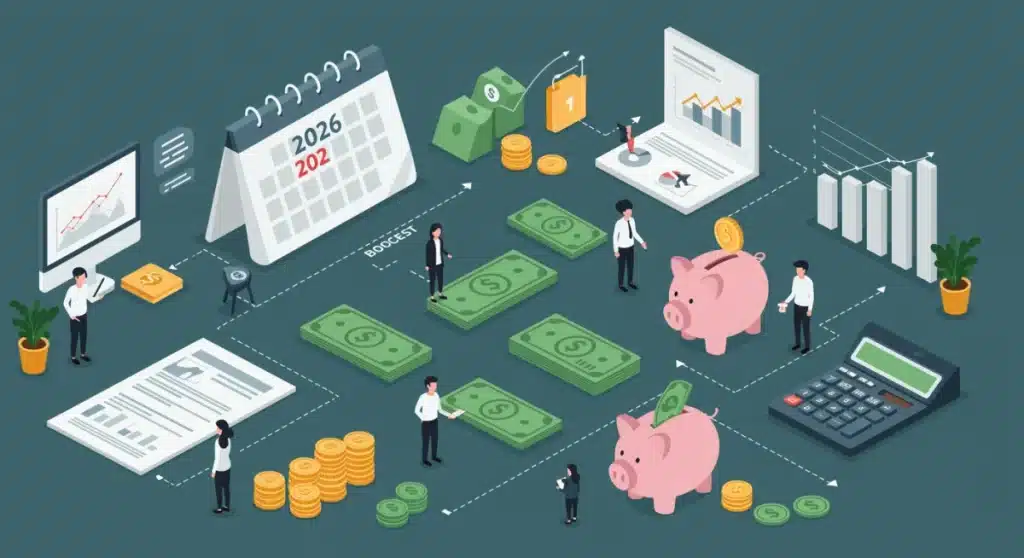
In the ever-evolving landscape of personal finance, regular reviews are not just advisable; they are absolutely essential for maintaining financial health and achieving long-term goals. As we navigate through 2026, the importance of a thorough Personal Finance Check-Up cannot be overstated. This isn’t merely an annual chore; it’s a dynamic process that demands quarterly attention, allowing you to adapt to new opportunities, mitigate risks, and stay firmly on track towards your financial aspirations. This comprehensive guide will walk you through the critical steps of performing an effective personal finance check-up, helping you review your goals, adjust your strategies, and ensure your financial plan remains robust and responsive throughout 2026 and beyond.
The global economic environment, technological advancements, and personal life changes all have a profound impact on your financial standing. What might have been a perfect financial strategy last year could be suboptimal today. Therefore, a proactive approach to your finances, characterized by regular check-ups, is the cornerstone of sustainable wealth creation and financial security. This article will emphasize the methodology of quarterly reviews, providing actionable insights and practical tools to empower you in your financial journey.
Why a Quarterly Personal Finance Check-Up is Crucial in 2026
Many individuals are accustomed to an annual financial review, often coinciding with tax season or the new year. While an annual review is certainly better than no review at all, a quarterly Personal Finance Check-Up offers distinct advantages, particularly in an unpredictable economic climate. Quarterly reviews provide more frequent opportunities to:
- Identify and Address Issues Early: Small financial deviations can quickly escalate if left unaddressed. A quarterly review allows you to catch budget overruns, unexpected expenses, or underperforming investments before they become major problems.
- Adapt to Life Changes: Life is full of unforeseen events – a new job, a promotion, a new family member, a significant purchase, or even a health event. These changes invariably impact your finances. Quarterly check-ups ensure your financial plan evolves with your life.
- Capitalize on Opportunities: Market shifts, new investment products, or changes in interest rates can present opportunities. Frequent reviews enable you to spot and act on these opportunities, potentially accelerating your financial growth.
- Maintain Motivation and Accountability: Regularly reviewing your progress can be a powerful motivator. Seeing how far you’ve come and understanding what adjustments are needed can keep you engaged and accountable to your financial goals.
- Refine Your Budget and Spending: Spending habits can creep up on you. A quarterly review helps you identify areas where you might be overspending and allows for timely adjustments to your budget, ensuring you stick to your financial plan.
By integrating these frequent check-ups into your financial routine, you transform your financial management from a static plan into a dynamic, responsive strategy, perfectly suited for the challenges and opportunities of 2026.
Setting the Stage: Your Initial Personal Finance Check-Up for 2026
Before diving into the quarterly reviews, it’s essential to establish a solid baseline at the beginning of 2026. This initial Personal Finance Check-Up sets the tone for the entire year and provides the benchmark against which all subsequent reviews will be measured. Here’s how to begin:
1. Revisit and Refine Your Financial Goals
Your financial goals are the bedrock of your financial plan. They should be SMART: Specific, Measurable, Achievable, Relevant, and Time-bound. Take time to:
- Review Existing Goals: Are your 2025 goals still relevant for 2026? Have your priorities shifted?
- Set New Goals: Perhaps you’ve achieved some goals, or new aspirations have emerged. These could include saving for a down payment, funding a child’s education, planning for retirement, or starting a business.
- Prioritize Goals: Not all goals are created equal. Identify your short-term (1-3 years), mid-term (3-10 years), and long-term (10+ years) goals, and prioritize them based on their importance and urgency.
- Quantify Goals: Attach specific monetary values and deadlines to each goal. For example, instead of “save for retirement,” specify “save $500,000 for retirement by age 65.”
2. Assess Your Net Worth
Your net worth is a snapshot of your financial health at a specific point in time. It’s calculated by subtracting your total liabilities (debts) from your total assets (what you own). This exercise provides a clear picture of your financial standing and helps you track progress over time.
- List All Assets: Include cash, savings accounts, checking accounts, investment accounts (stocks, bonds, mutual funds), retirement accounts (401k, IRA), real estate (home equity), vehicles, and other valuable possessions.
- List All Liabilities: Include credit card debt, student loans, car loans, mortgages, personal loans, and any other outstanding debts.
- Calculate Your Net Worth: Assets – Liabilities = Net Worth.
3. Analyze Your Income and Expenses
Understanding where your money comes from and where it goes is fundamental to effective financial management. This step involves a detailed review of your cash flow.
- Track All Income Sources: Salary, freelance work, rental income, dividends, etc.
- Categorize and Track Expenses: Use budgeting apps, spreadsheets, or online banking tools to categorize all your spending. Differentiate between fixed expenses (rent, mortgage, loan payments) and variable expenses (groceries, entertainment, dining out).
- Identify Spending Patterns: Where can you cut back? Are there subscriptions you no longer use? Can you negotiate better rates on services?
4. Review Your Budget
Based on your income and expense analysis, it’s time to refine or create your budget for 2026. A budget is your financial roadmap, guiding your spending and saving decisions. Ensure your budget allocates funds towards your financial goals.
- Allocate Funds: Assign specific amounts to different spending categories, savings, and debt repayment.
- Implement the 50/30/20 Rule (or similar): A popular guideline suggests 50% of your income for needs, 30% for wants, and 20% for savings and debt repayment. Adjust this to fit your unique circumstances.
- Build an Emergency Fund: Aim for 3-6 months’ worth of essential living expenses in an easily accessible savings account. If you don’t have one, make it a top priority in your budget.
Quarterly Personal Finance Check-Up: A Detailed Roadmap
With your initial 2026 financial baseline established, let’s delve into the quarterly review process for your Personal Finance Check-Up.
Quarter 1: January – March (Focus: Goal Alignment & Budget Adherence)
The first quarter is crucial for setting the pace for the rest of the year. This review should focus heavily on ensuring your initial plans are viable and that you’re starting strong.
1. Revisit Your 2026 Financial Goals:
- Are your goals still relevant? Have any life events (e.g., a new job, unexpected expenses) occurred that require a re-evaluation of your goals or timelines?
- Are you on track to meet your short-term objectives for the quarter?
2. Budget Performance Review:
- Compare your actual spending against your budgeted amounts for the past three months.
- Identify any categories where you consistently overspent or underspent. Why did this happen?
- Make necessary adjustments to your budget for the upcoming quarter. Perhaps certain variable expenses need more allocation, or you can cut back in other areas.
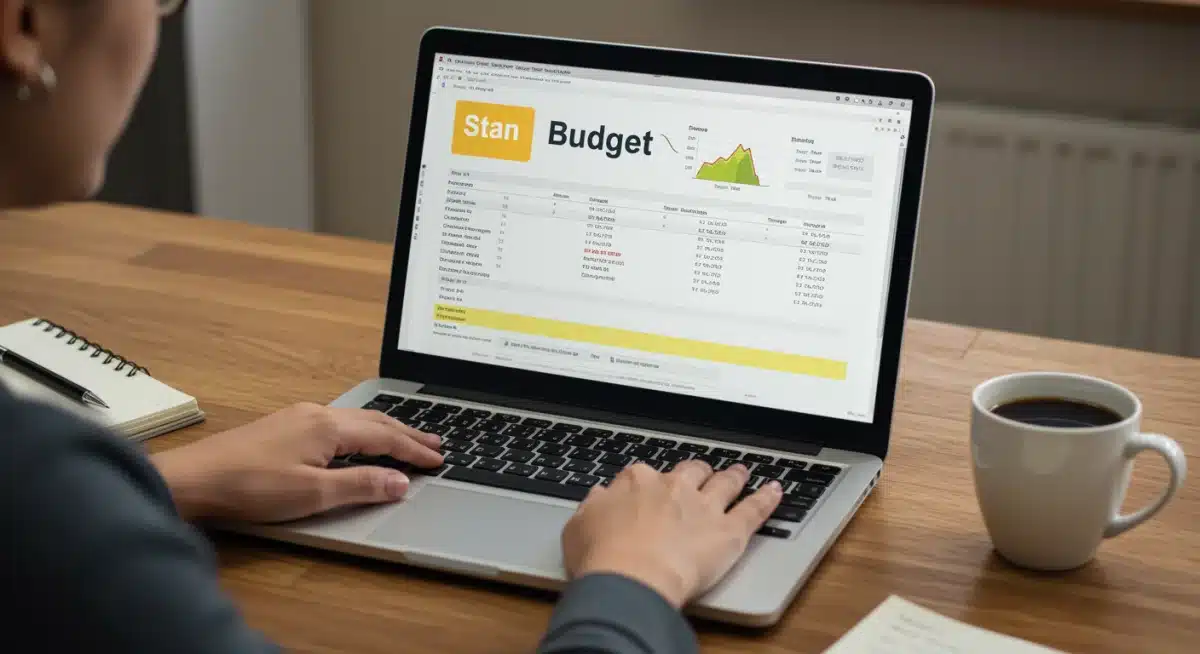
3. Income Stream Analysis:
- Has your income remained stable, increased, or decreased?
- If income has increased, how will you allocate the extra funds (e.g., increased savings, debt repayment, investments)?
- If income has decreased, what adjustments are needed to your budget and spending?
4. Emergency Fund Status:
- Check the balance of your emergency fund. Has it grown as planned?
- If you had to dip into it, what’s your plan to replenish it?
Quarter 2: April – June (Focus: Investment & Debt Management)
The second quarter is an excellent time to delve deeper into your investments and debt strategies, making sure they are aligned with your overall financial objectives and market conditions.
1. Investment Portfolio Review:
- Performance Check: How are your investments performing relative to market benchmarks and your expectations?
- Asset Allocation: Is your asset allocation still appropriate for your risk tolerance and time horizon? Market fluctuations can cause your portfolio to drift from its target allocation, requiring rebalancing.
- Diversification: Are your investments adequately diversified across different asset classes, industries, and geographies?
- Fees: Are you aware of all the fees associated with your investments? High fees can significantly erode returns over time.
- Contribution Review: Are you maximizing contributions to your retirement accounts (401k, IRA) and other investment vehicles?
2. Debt Management Strategy:
- Review all your outstanding debts (credit cards, loans, mortgage).
- Are you making progress on your debt repayment plan (e.g., snowball or avalanche method)?
- Are there opportunities to refinance high-interest debt at a lower rate?
- Consider making extra payments if your budget allows, especially on high-interest debts.
3. Tax Implications (Mid-Year Check):
- While not a full tax preparation, a mid-year check can help you estimate your tax liability and make adjustments to your withholdings or estimated payments to avoid surprises.
- Are there any tax-advantaged accounts you could be utilizing more effectively (e.g., HSA, 529 plans)?
Quarter 3: July – September (Focus: Major Purchases & Insurance Review)
As the year progresses, the third quarter is ideal for assessing if you’re on track for any major purchases and ensuring your insurance coverage is adequate.
1. Major Purchase Planning:
- If you’re planning a major purchase (e.g., a car, a home, a significant vacation), review your savings progress towards it.
- Are the timelines and costs still realistic?
- Have you researched financing options if applicable?
2. Insurance Coverage Assessment:
- Health Insurance: Are your current health insurance plans meeting your needs? Any changes in health status or family size?
- Life Insurance: Is your coverage sufficient to protect your dependents? Review beneficiaries.
- Auto & Home Insurance: Are your policies up-to-date? Have you compared quotes recently to ensure you’re getting the best rates for adequate coverage?
- Disability Insurance: Do you have sufficient income protection in case you’re unable to work?
- Other Insurances: Consider umbrella policies or specific coverages like long-term care insurance if relevant to your situation.
3. Estate Planning Review (if applicable):
- If you have a will or trust, ensure it’s up-to-date with your current wishes and family circumstances.
- Review beneficiaries on all financial accounts.
Quarter 4: October – December (Focus: Year-End Optimization & Future Planning)
The final quarter is about optimizing your finances before the year ends and laying the groundwork for the next year’s Personal Finance Check-Up.
1. Maximize Savings and Investments:
- Look for opportunities to make additional contributions to your retirement accounts, HSAs, or other investment vehicles to maximize tax benefits before year-end deadlines.
- Consider tax-loss harvesting if applicable to offset capital gains.
2. Prepare for Tax Season:
- Start gathering necessary documents for tax preparation (W-2s, 1099s, receipts for deductions).
- Consult with a tax professional if you have complex financial situations or significant life changes.

3. Annual Financial Report Card:
- Review your entire year’s financial performance. Did you meet your goals? Where did you excel, and where did you fall short?
- Calculate your net worth again to see your progress from the beginning of the year.
4. Plan for 2027:
- Begin brainstorming new financial goals for the upcoming year.
- Anticipate any major life events or changes that might impact your finances in 2027.
- Consider adjusting your budget and investment strategy based on your 2026 performance and outlook for 2027.
Tools and Resources for Your Personal Finance Check-Up
Performing a thorough Personal Finance Check-Up doesn’t have to be daunting. Numerous tools and resources can simplify the process:
- Budgeting Apps: Mint, YNAB (You Need A Budget), Personal Capital, PocketGuard, and Simplifi can automate expense tracking, categorize spending, and help you visualize your budget.
- Spreadsheets: For those who prefer a hands-on approach, a simple Excel or Google Sheets spreadsheet can be highly effective for tracking income, expenses, and net worth.
- Investment Tracking Platforms: Many brokerage firms offer robust tools for tracking portfolio performance. Personal Capital also provides excellent investment analysis features.
- Financial Advisors: For complex financial situations or if you prefer professional guidance, a certified financial planner (CFP) can provide personalized advice and help you navigate your financial journey.
- Online Resources: Websites like Investopedia, NerdWallet, and reputable financial news outlets offer a wealth of information on various financial topics.
Common Pitfalls to Avoid During Your Personal Finance Check-Up
Even with the best intentions, certain mistakes can derail your Personal Finance Check-Up. Be mindful of these common pitfalls:
- Lack of Consistency: Skipping quarterly reviews diminishes their effectiveness. Consistency is key.
- Being Too Hard on Yourself: Don’t get discouraged by setbacks. Financial planning is a journey with ups and downs. Learn from mistakes and adjust.
- Ignoring Small Expenses: “Latte factor” expenses can add up significantly over time. Don’t overlook them.
- Setting Unrealistic Goals: Goals should be challenging but attainable. Unrealistic goals can lead to frustration and demotivation.
- Not Adapting to Change: Your financial plan needs to be flexible. Life happens, and your plan must evolve with it.
- Emotional Investing: Making investment decisions based on fear or greed rather than sound strategy can be detrimental.
- Neglecting Insurance: Underinsuring or having outdated policies can expose you to significant financial risks.
The Long-Term Benefits of Regular Personal Finance Check-Ups
Adopting a routine of quarterly Personal Finance Check-Up offers numerous long-term benefits that extend far beyond simply managing your money:
- Increased Financial Confidence: Knowing where you stand financially and having a clear plan reduces anxiety and builds confidence.
- Accelerated Goal Achievement: Regular adjustments and optimizations mean you’re more likely to reach your financial goals faster.
- Enhanced Financial Literacy: The more you engage with your finances, the more you learn, making you a more informed decision-maker.
- Greater Resilience to Economic Shocks: A well-managed financial plan with an adequate emergency fund provides a buffer against unexpected economic downturns or personal crises.
- Improved Quality of Life: Financial peace of mind allows you to focus on other important aspects of your life, leading to overall well-being.
- Legacy Planning: For those with families, a strong financial plan ensures you can provide for your loved ones and leave a lasting legacy.
Conclusion: Empowering Your Financial Future in 2026
The year 2026 presents both challenges and opportunities in the realm of personal finance. By committing to a routine of quarterly Personal Finance Check-Up, you are not just reviewing numbers; you are actively shaping your financial destiny. This proactive approach empowers you to stay agile, adapt to change, and make informed decisions that align with your deepest financial aspirations. Remember, financial success is not a destination but a continuous journey of learning, adapting, and growing. Start your 2026 financial year with a robust initial check-up, commit to regular quarterly reviews, and watch as your financial health flourishes, bringing you closer to true financial freedom and peace of mind.
Take control of your money, understand its flow, and direct it towards the life you envision. Your future self will thank you for the diligence and foresight you invest today in your personal finance check-ups.