2026 Tax Law Changes: Deductions Impact & Updates
The upcoming 2026 tax law changes are poised to significantly alter individual and business deductions, potentially impacting your fiscal year tax liability by up to 10%, making understanding these recent updates crucial for proactive financial planning.
The landscape of U.S. taxation is ever-evolving, and the anticipated 2026 Tax Law Changes are set to usher in significant shifts that could directly influence your financial planning. As we approach this pivotal year, understanding how new legislation might impact your deductions, possibly by as much as 10% this fiscal year, becomes paramount. Recent updates suggest a comprehensive overhaul, affecting everything from individual itemized deductions to business write-offs, demanding a proactive approach from taxpayers nationwide.
Understanding the Looming Sunset Provisions of the Tax Cuts and Jobs Act (TCJA)
The Tax Cuts and Jobs Act (TCJA) of 2017 brought about numerous sweeping changes to the U.S. tax code, significantly altering how individuals and businesses calculated their tax liabilities. However, many of these provisions were temporary, designed with sunset clauses that are set to expire at the end of 2025. This means that come January 1, 2026, a substantial portion of the TCJA’s individual tax provisions will revert to pre-2018 law, unless Congress acts to extend them or enacts new legislation.
This impending expiration creates a period of uncertainty but also an opportunity for taxpayers to prepare. The return to older tax laws could mean higher tax rates for some, changes in standard deductions, and a significant alteration to various itemized deductions that many have grown accustomed to. Understanding which provisions are set to expire is the first step in navigating the potential impacts on your finances.
Key TCJA Provisions Set to Expire
Several critical aspects of the TCJA are slated to sunset, directly affecting individual taxpayers. These expirations will not only influence the amount of tax owed but also the complexity of tax preparation for millions of Americans.
- Individual Income Tax Rates: The lower individual income tax rates established by the TCJA are set to revert to higher, pre-TCJA levels.
- Standard Deduction Amounts: The significantly increased standard deduction amounts will decrease, potentially pushing more taxpayers to itemize.
- Child Tax Credit (CTC) Enhancements: While the CTC itself is permanent, some of its enhancements from the TCJA are set to expire, reducing the credit’s value for many families.
The expiration of these provisions will necessitate a thorough review of personal financial strategies. Taxpayers who previously benefited from the higher standard deduction might find themselves needing to re-evaluate their itemizing potential, while those accustomed to lower rates will need to adjust their budgeting and investment plans accordingly. The potential for a 10% shift in deductions could stem from a combination of these factors.
In essence, the sunset provisions of the TCJA are not merely technical adjustments; they represent a fundamental shift in the tax burden and incentives for individuals. Proactive planning and a clear understanding of these changes will be critical for effective financial management in the coming years.
Potential Impact on Itemized Deductions: A Closer Look
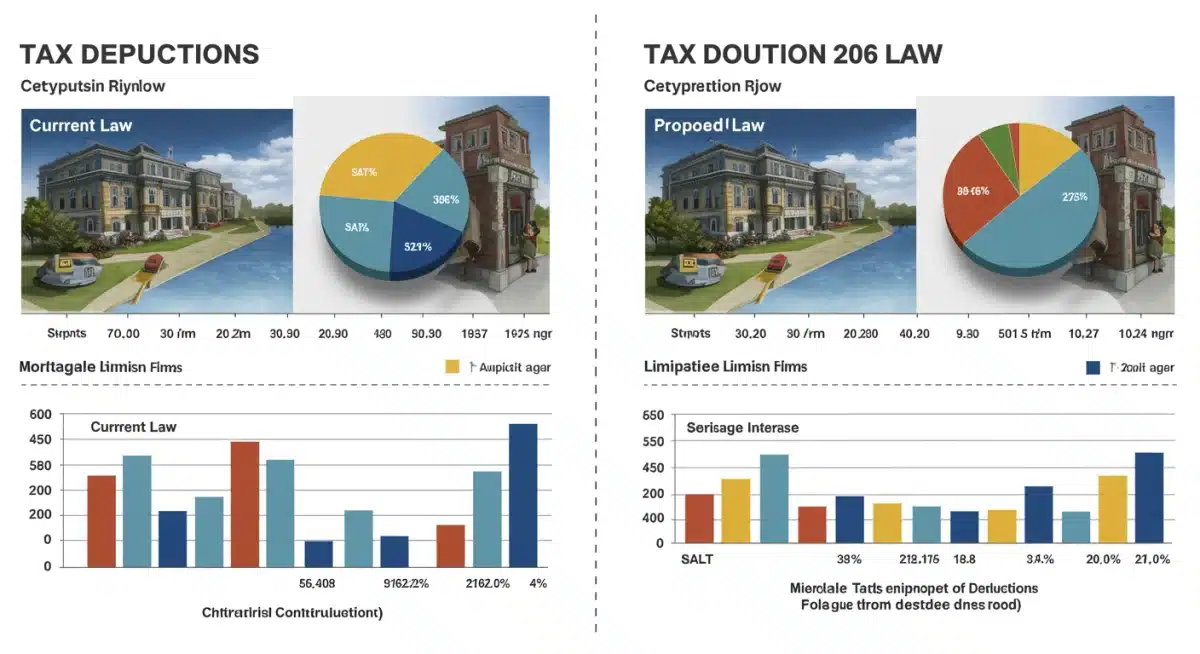
One of the most significant areas where taxpayers might feel the pinch of the 2026 tax law changes is in itemized deductions. The TCJA dramatically altered the landscape of itemizing, notably by capping the state and local tax (SALT) deduction at $10,000 and eliminating or limiting several other miscellaneous itemized deductions. With the sunset of these provisions, some aspects might revert to their pre-TCJA forms, while new legislative efforts could introduce further modifications.
The potential for a 10% impact on deductions is a conservative estimate, as the combined effect of several expiring provisions and new legislative initiatives could lead to even greater shifts for certain taxpayers. For instance, the return of unlimited SALT deductions, if enacted, would be a boon for high-tax states, but other deductions might face new limitations.
Key Deductions Under Scrutiny
Several itemized deductions are at the forefront of legislative discussions, and their treatment in 2026 could significantly alter tax outcomes.
- State and Local Tax (SALT) Deduction: The $10,000 cap on SALT deductions is a contentious issue. Its potential expiration or modification could have a substantial impact, particularly for homeowners in high-tax states.
- Mortgage Interest Deduction: While generally preserved, there could be changes to the limits on deductible mortgage interest for new loans.
- Charitable Contributions: Current laws offer specific benefits for charitable giving. Future legislation might adjust these incentives, affecting philanthropic planning.
The interplay between these deductions and the overall tax framework is complex. Taxpayers who have relied heavily on itemizing will need to carefully assess how these potential changes will affect their taxable income. This could involve re-evaluating housing decisions, budgeting for property taxes, and adjusting charitable giving strategies to maximize tax efficiency. Staying informed about the specifics of any new legislation will be crucial for navigating these changes effectively.
Business Deductions and Corporate Tax Adjustments
Beyond individual taxpayers, businesses are also bracing for significant adjustments as part of the 2026 Tax Law Changes. The TCJA brought down the corporate tax rate from a top rate of 35% to a flat 21%, a move that profoundly impacted corporate profitability and investment decisions. While the corporate rate itself is not set to sunset, other business-related provisions are, and new legislative proposals could introduce further modifications to the corporate tax structure and various business deductions.
These changes could affect businesses of all sizes, from small enterprises to large corporations, potentially influencing everything from operational costs to capital investment strategies. The projected 10% impact on deductions might manifest through alterations to depreciation rules, research and development (R&D) expensing, or other common business write-offs, necessitating a thorough review of corporate financial planning.
Anticipated Changes for Businesses
Several areas are expected to see significant changes that will directly impact business taxation and deductions.
- R&D Expensing: Under current law, R&D expenses must be amortized over five years. A return to immediate expensing, or further adjustments, is a possibility, impacting innovation incentives.
- Bonus Depreciation: The TCJA allowed for 100% bonus depreciation for certain assets, which is currently phasing out. Future legislation could alter this schedule or introduce new depreciation rules.
- Net Operating Loss (NOL) Limitations: Rules regarding the utilization of NOLs were modified by the TCJA. These could be further adjusted, affecting how businesses offset past losses against future profits.
The potential for changes in these areas means that businesses will need to reassess their investment strategies, capital expenditure plans, and overall financial projections. Understanding the nuances of new legislation will be key to maintaining financial health and competitive advantage. Proactive engagement with tax advisors and staying abreast of legislative developments will be essential for businesses to adapt effectively to the evolving tax landscape.
Strategies for Maximizing Deductions Amidst Uncertainty
With the impending 2026 Tax Law Changes, taxpayers face a period of uncertainty, but also an opportunity to proactively plan and adjust their financial strategies. Maximizing deductions requires foresight and an understanding of both current laws and potential future shifts. The goal is to optimize your tax position, ensuring you benefit from every available deduction and credit, even as the rules evolve.
One primary strategy involves staying informed about legislative developments. Tax policy discussions are ongoing, and final decisions will shape the specific opportunities and challenges. Engaging with financial professionals can provide tailored advice, helping you navigate the complexities and identify personalized strategies to mitigate potential negative impacts, such as a 10% reduction in overall deductions.
Key Planning Strategies
Consider these proactive steps to prepare for the upcoming tax changes and optimize your deductions:
- Review Investment Portfolios: Assess your current investments for tax efficiency. Consider tax-loss harvesting or adjustments to asset allocation based on anticipated rate changes.
- Accelerate or Defer Income/Expenses: Depending on projected tax rate changes, consider accelerating income into 2025 or deferring it into 2026, and vice versa for expenses, to take advantage of favorable rates.
- Maximize Retirement Contributions: Continue to contribute to tax-advantaged retirement accounts like 401(k)s and IRAs, as these deductions are generally robust across different tax regimes.
Additionally, for those who itemize, a detailed review of eligible deductions is crucial. This includes understanding the nuances of charitable contributions, medical expenses, and any potential changes to the SALT deduction. For businesses, evaluating capital expenditure plans and R&D activities in light of potential depreciation and expensing rule changes is vital. Adapting to the new tax environment will be a continuous process, requiring vigilance and strategic adjustments to your financial planning.
The Role of Tax Credits in the New Legislative Environment
As the 2026 Tax Law Changes unfold, the role of tax credits will become increasingly important for individuals and families seeking to reduce their overall tax liability. While deductions reduce taxable income, credits directly reduce the amount of tax owed, often dollar-for-dollar. Understanding which credits are available, how they might be impacted by new legislation, and how to maximize their benefit will be crucial for effective tax planning.
The TCJA made some adjustments to certain credits, and with its sunset provisions, there’s a possibility of further legislative action concerning existing credits or the introduction of new ones. For instance, discussions around the Child Tax Credit (CTC) could lead to modifications that significantly affect family budgets. The potential for a 10% shift in deductions makes credits an even more valuable tool in managing your fiscal year tax burden.
Important Tax Credits to Monitor
Several key tax credits are likely to be part of ongoing legislative debates and could see changes in 2026.
- Child Tax Credit (CTC): As a significant benefit for families, any changes to its amount, eligibility, or refundability could have widespread implications.
- Earned Income Tax Credit (EITC): This credit supports low-to moderate-income working individuals and families. Its parameters may be reviewed for adjustments.
- Education Credits: Credits like the American Opportunity Tax Credit and Lifetime Learning Credit are vital for college students and their families. Their future structure could be debated.
Beyond these, various energy-efficient home improvement credits, clean energy credits, and credits for specific industries or activities may also be subject to legislative review. Taxpayers should pay close attention to eligibility requirements and any income limitations associated with these credits. Proactive research and consultation with tax professionals can help ensure you take advantage of every applicable credit, further safeguarding your financial position against the broader impact of the 2026 tax law changes.
Preparing for the 2026 Fiscal Year: A Timeline for Action
Navigating the 2026 Tax Law Changes requires more than just understanding the potential impacts; it demands a clear timeline for action. Proactive preparation can help individuals and businesses mitigate adverse effects and capitalize on any new opportunities that emerge. Given the potential for a 10% shift in deductions this fiscal year, a structured approach to tax planning is essential, beginning well in advance of the new year.
The legislative process is often dynamic, with proposals and counter-proposals shaping the final outcome. Therefore, staying continuously updated on congressional discussions and potential bill enactments is a critical first step. This ongoing monitoring should inform your financial decisions, allowing for timely adjustments to investment strategies, budgeting, and overall tax planning.
Key Steps in Your Preparation Timeline
Consider these actions as you prepare for the 2026 fiscal year:
- Early 2025: Initial Assessment: Review your current tax situation, including income, deductions, and credits, based on existing laws. Identify areas most likely to be affected by the TCJA sunset or new legislation.
- Mid-2025: Legislative Monitoring and Scenario Planning: Actively track tax reform discussions. Work with a tax professional to model different scenarios based on potential legislative outcomes and their impact on your finances.
- Late 2025: Pre-emptive Adjustments: Based on the most likely legislative outcomes, make any necessary year-end adjustments. This could involve accelerating or deferring income/expenses, adjusting investment strategies, or making last-minute charitable contributions.
As 2026 approaches, ensure all your financial records are meticulously organized. This will streamline the tax preparation process and allow for accurate reporting under the new rules. Remember that tax planning is not a one-time event but an ongoing process. Regular reviews of your financial situation and adjustments to your strategies will be key to successfully navigating the evolving tax landscape and ensuring you are well-prepared for the 2026 fiscal year and beyond.
| Key Point | Brief Description |
|---|---|
| TCJA Sunset | Many individual tax provisions from the 2017 Tax Cuts and Jobs Act expire end of 2025. |
| Deduction Impact | Potential 10% shift in deductions due to changes in itemized and business write-offs. |
| Proactive Planning | Essential to review investments, income/expense timing, and retirement contributions. |
| Tax Credits | Understanding and maximizing tax credits will become more critical for reducing tax liability. |
Frequently Asked Questions About 2026 Tax Law Changes
The main driver is the expiration of many individual provisions from the Tax Cuts and Jobs Act (TCJA) of 2017 at the end of 2025. Additionally, new legislative proposals aiming to adjust fiscal policy further contribute to the anticipated changes, impacting various deductions and credits for taxpayers.
Itemized deductions could see significant alterations. The $10,000 cap on State and Local Tax (SALT) deductions may expire, and rules for mortgage interest and charitable contributions might change. These shifts could lead to a substantial adjustment in your overall deductible amounts, requiring careful planning.
Yes, businesses will also face impacts. While the corporate tax rate is stable, provisions related to Research and Development (R&D) expensing, bonus depreciation, and Net Operating Loss (NOL) limitations are subject to change. These adjustments could affect operational costs and investment strategies for companies.
To prepare, you should monitor legislative developments, review your investment portfolio for tax efficiency, consider accelerating or deferring income and expenses, and maximize contributions to retirement accounts. Consulting with a tax professional for personalized advice is also highly recommended.
Tax credits will be extremely important. As deductions potentially shift, credits like the Child Tax Credit (CTC), Earned Income Tax Credit (EITC), and education credits will play a critical role in directly reducing your tax liability. Staying informed on eligibility and maximizing these benefits is crucial.
Conclusion
The impending 2026 tax law changes represent a critical juncture for taxpayers across the United States. With the sunset of numerous provisions from the TCJA and the potential for new legislative initiatives, individuals and businesses alike must prepare for a dynamic tax landscape. The anticipated shifts, including a potential 10% impact on deductions, underscore the importance of proactive planning, continuous monitoring of legislative developments, and strategic financial adjustments. By understanding the nuances of these changes, engaging with tax professionals, and adapting your strategies, you can effectively navigate the evolving tax environment and safeguard your financial well-being in the years to come.