Maximize Savings: 2026 Energy-Efficient Home Improvement Tax Credits
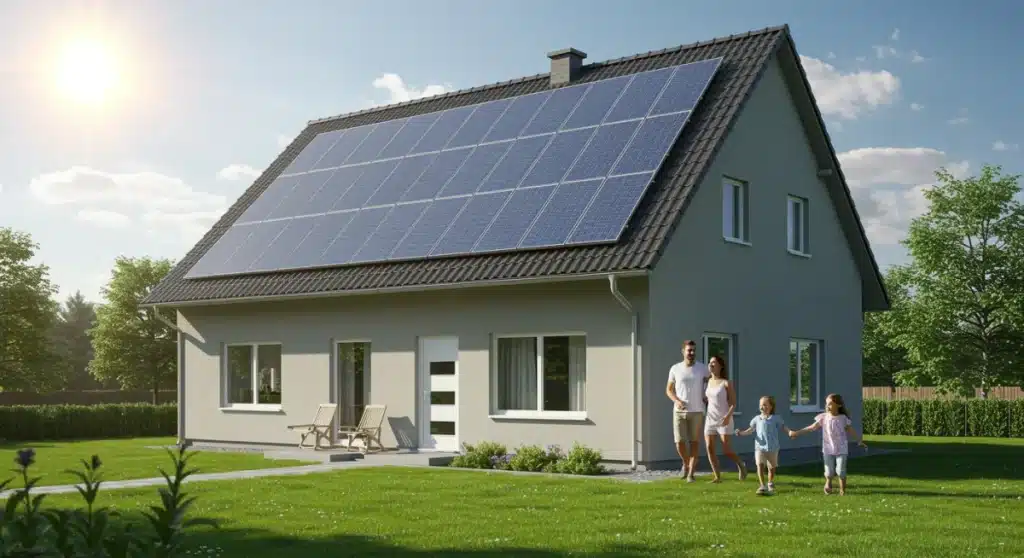
Are you a homeowner looking for ways to reduce your energy bills, enhance your home’s comfort, and contribute to a greener planet? The year 2026 brings exciting news for you! New tax credits for energy-efficient home improvements are set to offer substantial financial incentives, allowing you to save up to 30% on qualifying upgrades. This comprehensive guide will walk you through everything you need to know about these invaluable energy home tax credits, helping you make informed decisions to maximize your savings and improve your living space.
Unlock Significant Savings: Your Guide to 2026 Energy-Efficient Home Improvement Tax Credits
The landscape of home ownership is constantly evolving, with a growing emphasis on sustainability and energy efficiency. As energy costs continue to fluctuate and environmental concerns become more pressing, homeowners are actively seeking solutions that offer both economic relief and ecological responsibility. Recognizing this shift, the government has introduced enhanced energy home tax credits for 2026, designed to make energy-efficient upgrades more accessible and affordable than ever before.
These new tax credits represent a golden opportunity for homeowners to invest in their properties, not only increasing their value and comfort but also significantly reducing their carbon footprint. Whether you’re considering a major overhaul or minor tweaks, understanding these incentives is crucial to harnessing their full potential. This article will delve into the specifics of these credits, outlining eligible improvements, how to calculate your savings, and strategic planning tips to ensure you don’t miss out.
Understanding the 2026 Energy Home Tax Credits: What’s New?
The 2026 energy home tax credits build upon previous legislation, offering more generous and streamlined incentives. The primary goal is to encourage widespread adoption of energy-saving technologies and practices in residential properties. The most significant change is the potential to save up to 30% on the cost of eligible home improvements, with certain caps per improvement type and an aggregate annual limit.
Key Highlights of the 2026 Tax Credit Program:
- Up to 30% Credit: Homeowners can claim a tax credit equal to 30% of the cost of eligible energy-efficient home improvements. This is a direct reduction of your tax liability, making it far more valuable than a tax deduction.
- Annual Limits: While the 30% is a general guideline, specific annual limits apply to different categories of improvements. For instance, there might be a $1,200 annual limit for most energy efficiency improvements, with higher limits for specific items like heat pumps, biomass stoves, and electric panel upgrades.
- Expanded Eligibility: The list of qualifying improvements has been broadened to include a wider array of technologies and materials, reflecting advancements in energy efficiency.
- Focus on Renewable Energy: Significant incentives continue for renewable energy installations, such as solar panels, wind turbines, and geothermal heat pumps, often with no annual dollar limit beyond the 30% cost.
These enhancements are designed to provide a clear financial pathway for homeowners to transition to more sustainable living. By reducing the upfront cost of these investments, the government aims to accelerate the adoption of energy-efficient solutions across the nation. Understanding these nuances is the first step towards maximizing your energy home tax credits.
Eligible Energy-Efficient Home Improvements for 2026
To qualify for the 2026 energy home tax credits, your improvements must meet specific criteria and be installed in an existing home located in the United States. New constructions typically have different sets of incentives. The range of eligible improvements is quite extensive, covering various aspects of your home’s energy consumption.
Category 1: Building Envelope Improvements
These improvements focus on sealing and insulating your home, preventing heat loss in winter and heat gain in summer. This is often the most cost-effective way to improve energy efficiency.
- Insulation: Any insulation material or system that meets specific energy efficiency standards, including batts, rolls, blown-in fibers, rigid boards, spray foam, and more. This includes insulation for walls, attics, floors, and foundations.
- Exterior Doors: Energy-efficient exterior doors that meet specific Energy Star requirements. There’s often a per-door limit and an overall annual limit for these.
- Exterior Windows and Skylights: Energy-efficient windows and skylights that meet Energy Star most efficient certification. This can significantly reduce heat transfer.
- Roofing Materials: Certain asphalt roofs with cooling granules and metal roofs with pigmented coatings designed to reduce heat gain.
Category 2: Energy-Efficient Systems and Equipment
Upgrading your home’s mechanical systems can lead to substantial energy savings, especially for heating, ventilation, and air conditioning (HVAC).
- High-Efficiency HVAC Systems: This includes central air conditioners, furnaces, boilers, and heat pumps that meet rigorous energy efficiency standards set by the Department of Energy (DOE) and Energy Star. The credit for heat pumps can be particularly generous.
- Water Heaters: Energy-efficient water heaters, including natural gas, propane, oil, and electric heat pump water heaters, that meet or exceed specific energy factor or UEF ratings.
- Biomass Stoves and Boilers: Systems that use biomass fuel (e.g., wood pellets) to heat your home or water, provided they meet specific thermal efficiency ratings.
- Electric Panel Upgrades: Necessary upgrades to your home’s electrical panel and wiring to support new energy-efficient equipment, such as heat pumps or solar panels.
Category 3: Renewable Energy Generation
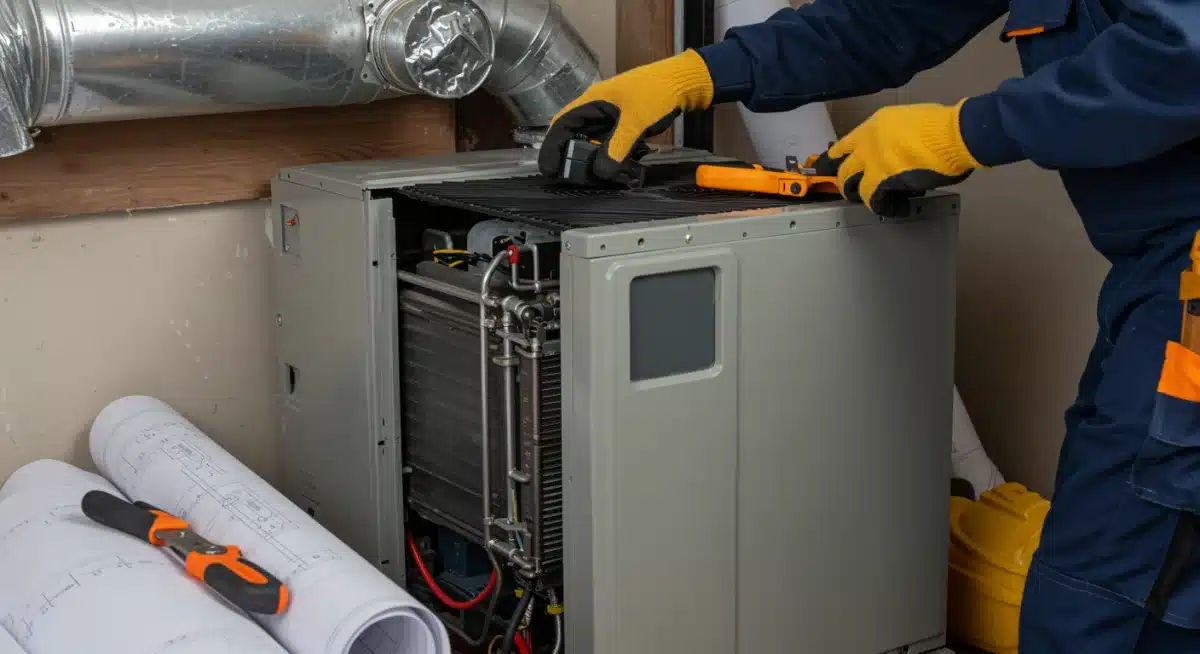
These are the big-ticket items that can transform your home into an energy producer, offering the largest long-term savings and environmental benefits.
- Solar Electric Property (Photovoltaic) Equipment: Solar panels that generate electricity for your home. This is one of the most popular and impactful improvements.
- Solar Water Heating Property Equipment: Systems that use solar energy to heat water for your home.
- Small Wind Energy Property Equipment: Small wind turbines that generate electricity for residential use.
- Geothermal Heat Pump Property Equipment: Systems that use the earth’s natural heat to warm and cool your home.
- Battery Storage Technology: For systems installed after 2022, battery storage with a capacity of at least 3 kilowatt-hours can also qualify.
It’s crucial to retain all receipts and manufacturer certifications for these improvements. The IRS will require documentation to verify eligibility. Always check the latest IRS guidelines or consult a tax professional to confirm that your planned improvements qualify for the 2026 energy home tax credits.
Calculating Your 2026 Energy Home Tax Credits: A Practical Approach
Understanding how to calculate your potential savings is key to leveraging these energy home tax credits effectively. While the general rule is a 30% credit, specific limitations apply, which can vary depending on the type of improvement.
General Calculation Principles:
- 30% of Cost: For most eligible improvements, you can claim 30% of the total cost, including materials and labor for installation.
- Annual Aggregate Limit: For many non-renewable energy improvements (like insulation, windows, and non-heat pump HVAC), there’s a total annual credit limit, typically around $1,200. This means if you spend $4,000 on new windows and $2,000 on insulation in the same year, your 30% credit would be $1,200 for windows ($1,200 cap) + $600 for insulation (no specific cap, but falls under the $1,200 aggregate limit). You would be limited to $1,200 in total for these types of improvements.
- Specific Item Limits: Some items have their own individual caps within the overall annual limit. For example:
- Exterior doors: Often a $250 credit per door, up to a $500 total annual limit.
- Exterior windows and skylights: Often a $600 annual limit.
- Home energy audits: Up to a $150 credit.
- Higher Limits for Major Systems: Heat pumps, heat pump water heaters, and biomass stoves/boilers often have a higher annual limit, typically up to $2,000, and are exempt from the $1,200 aggregate limit for other improvements. This means you could claim $2,000 for a heat pump *and* $1,200 for other improvements in the same year.
- No Annual Limit for Renewable Energy: For significant investments like solar panels, geothermal systems, and small wind turbines, the 30% credit generally has no annual dollar limit. The credit applies to the full 30% of the cost.
Example Scenario:
Let’s say in 2026, you undertake the following projects:
- Install new Energy Star certified windows: $5,000 total cost.
- Upgrade attic insulation: $1,500 total cost.
- Install a new energy-efficient heat pump: $10,000 total cost.
Here’s how the energy home tax credits might break down:
- Windows: 30% of $5,000 = $1,500. However, windows have an annual limit (e.g., $600). So, you’d claim $600.
- Insulation: 30% of $1,500 = $450.
- Combined Non-Renewable Credit: For windows and insulation, the total credit before the aggregate limit is $600 + $450 = $1,050. Since this is below the typical $1,200 aggregate annual limit for these types of improvements, you can claim the full $1,050.
- Heat Pump: 30% of $10,000 = $3,000. Heat pumps often have a separate, higher annual limit (e.g., $2,000). So, you’d claim $2,000 for the heat pump.
Total Tax Credit for 2026: $1,050 (windows & insulation) + $2,000 (heat pump) = $3,050.
This example illustrates the importance of understanding both the percentage and the dollar limits. Always consult the most current IRS Form 5695, Residential Energy Credits, and its instructions for precise figures and requirements. A qualified tax professional can also provide tailored advice for your specific situation.
Maximizing Your Energy Home Tax Credits: Strategic Planning
To truly get the most out of the 2026 energy home tax credits, a strategic approach is necessary. Don’t just make improvements; plan them with tax benefits in mind.
Tips for Strategic Planning:
- Prioritize High-Impact Improvements: Focus on upgrades that offer the best return on investment both in terms of energy savings and tax credits. Renewable energy systems and high-efficiency heat pumps often have the most generous credits.
- Understand Annual Limits: If you have multiple smaller projects that fall under the $1,200 aggregate annual limit, consider spreading them across multiple tax years to maximize the credit each year. For example, if you plan to replace all your windows and upgrade your insulation, doing half the windows and insulation one year, and the other half the next, might allow you to claim the $1,200 limit twice.
- Combine with Other Incentives: Research if your state or local utility company offers additional rebates or incentives for energy-efficient upgrades. These can often be stacked with federal tax credits, further reducing your out-of-pocket expenses.
- Get Professional Audits: A professional home energy audit can identify the most critical areas for improvement in your home, ensuring your investments are targeted and effective. The cost of a home energy audit itself might even be eligible for a small credit.
- Choose Certified Products and Contractors: Ensure that all products you purchase are Energy Star certified or meet the specific efficiency standards required by the IRS. Work with reputable contractors who are knowledgeable about these requirements and can provide the necessary documentation.
- Keep Meticulous Records: Document everything! Keep original receipts, invoices, product specifications, Energy Star certifications, and any other relevant paperwork. This documentation is vital if your tax return is ever audited.
- Consult a Tax Professional: Tax laws can be complex and change. A qualified tax advisor can help you navigate the intricacies of the 2026 energy home tax credits, ensure you meet all requirements, and identify all eligible deductions and credits.
The Long-Term Benefits of Energy-Efficient Home Improvements
Beyond the immediate financial relief provided by the 2026 energy home tax credits, investing in energy-efficient upgrades offers a wealth of long-term benefits that enhance your home and lifestyle.
Reduced Energy Bills:
This is perhaps the most immediate and tangible benefit. By consuming less energy for heating, cooling, and hot water, you’ll see a noticeable reduction in your monthly utility bills. Over the lifespan of your home, these savings can amount to tens of thousands of dollars, making the initial investment well worth it.
Increased Home Value:
Energy-efficient homes are increasingly attractive to potential buyers. Features like solar panels, new windows, and high-efficiency HVAC systems are seen as valuable assets, often commanding higher resale values and selling faster than less efficient homes. The long-term savings they offer are a significant selling point.
Enhanced Comfort:
Proper insulation, airtight windows, and efficient HVAC systems contribute to a more comfortable indoor environment. You’ll experience fewer drafts, more consistent temperatures throughout your home, and better indoor air quality. This translates to a more enjoyable living space year-round.
Environmental Impact:
By reducing your home’s energy consumption, you’re directly contributing to a reduction in greenhouse gas emissions. This lessens your carbon footprint and supports broader efforts to combat climate change, making your home a part of the solution.
Greater Energy Independence:
Especially with renewable energy systems like solar, you can reduce your reliance on traditional utility grids and volatile energy markets. This provides a sense of security and greater control over your energy supply and costs.
Durability and Longevity:
Many energy-efficient products are designed with durability in mind. High-quality windows, insulation, and HVAC systems often come with longer warranties and require less maintenance, saving you money and hassle in the long run.
Common Misconceptions About Energy Home Tax Credits
Despite the clear benefits, there are often misunderstandings surrounding energy home tax credits. Addressing these can help you avoid common pitfalls.
Myth 1: The Credit is a Rebate.
Reality: A tax credit directly reduces the amount of tax you owe, dollar for dollar. It’s not a check you receive in the mail unless it lowers your tax liability to the point of a refund. A rebate is a direct payment or discount at the point of sale.
Myth 2: All Energy-Efficient Products Qualify.
Reality: Only specific products that meet stringent energy efficiency standards (e.g., Energy Star certified or specific U-factors/R-values) are eligible. Always check product specifications and certifications.
Myth 3: New Homes Qualify for These Credits.
Reality: The primary 2026 energy home tax credits discussed here are for existing homes. New construction often has separate, distinct incentives or building codes to adhere to.
Myth 4: You Can Claim the Credit Multiple Times for the Same Improvement.
Reality: Generally, you can only claim the credit once for a specific improvement. However, if annual limits apply, you might strategically spread different improvements over multiple years to claim the credit each year.
Myth 5: The Credit is Refundable.
Reality: Most energy efficiency tax credits are non-refundable. This means they can reduce your tax liability to $0, but you won’t get a refund for any credit amount that exceeds your tax liability. The exception is the solar tax credit, which can be carried forward to future tax years if you can’t use it all in one year.
Being aware of these distinctions will help you plan more effectively and manage your expectations regarding the financial benefits of these credits.
The Application Process for 2026 Energy Home Tax Credits
Claiming your energy home tax credits is a relatively straightforward process, primarily involving your annual tax filing. You won’t need to apply for these credits in advance, but you will need to report them correctly on your tax return.
Steps to Claim Your Credits:
- Complete Eligible Improvements: Ensure all work is done by qualified professionals (where applicable) and that the products meet the necessary efficiency standards.
- Gather Documentation: Collect and organize all invoices, receipts, manufacturer’s certifications, and any other relevant paperwork proving the cost and eligibility of your improvements.
- Fill out IRS Form 5695: This is the form used to claim residential energy credits. You will need to list each qualifying improvement and its cost, and the form will guide you through calculating your total credit.
- Attach to Your Tax Return: Submit Form 5695 along with your main income tax return (Form 1040).
- Retain Records: Keep all your documentation for at least three years after filing your tax return, in case the IRS requests verification.
It’s important to note that you typically claim the credit in the tax year the improvement was placed in service. So, if you complete an improvement in December 2026, you would claim it when you file your 2026 taxes in early 2027.
Looking Ahead: The Future of Energy Efficiency and Tax Incentives
The introduction of robust 2026 energy home tax credits signals a clear commitment to fostering a more sustainable future. As technology advances and climate goals become more urgent, it’s likely we’ll see continued support for energy-efficient initiatives.
Homeowners who embrace these changes now are not only reaping immediate financial benefits but are also positioning themselves for a future where energy efficiency is not just a bonus, but a standard expectation. These investments contribute to a more resilient home, a healthier environment, and potentially, a more stable financial outlook for your household.
By staying informed about current and future incentives, you can continue to make smart, sustainable choices for your home. The journey towards a fully energy-efficient home is ongoing, and these tax credits provide a powerful catalyst to help you along the way.
Conclusion: Embrace the 2026 Energy Home Tax Credits for a Brighter Future
The 2026 energy home tax credits offer an unparalleled opportunity for homeowners to make significant, impactful upgrades to their properties while enjoying substantial financial savings. With up to 30% credit available on eligible improvements, from insulation and high-efficiency HVAC systems to solar panels and geothermal installations, there has never been a better time to invest in your home’s energy efficiency.
By understanding the eligibility criteria, calculating your potential savings, and planning strategically, you can maximize these valuable incentives. Beyond the immediate tax benefits, these improvements lead to lower energy bills, increased home value, enhanced comfort, and a positive environmental impact. Don’t let this opportunity pass you by. Start planning your energy-efficient home improvements today and take advantage of the generous 2026 energy home tax credits to build a more sustainable, comfortable, and valuable home for years to come.
Remember to consult official IRS resources and a tax professional for the most accurate and up-to-date information specific to your situation. Your energy-efficient future is within reach!